Mistral's Robostral 8B: Pure Chaos, One Camera
The AI space has been stuck in a massive text-prediction loop for the last two years. Everyone and their mother has been dropping massive large language models trying to out-chat ChatGPT. But the actual frontier—the place where the real hype and terrifying reality collide—is physical space. We’re talking robotics. For a minute there, it seemed like the European open-source underdogs over at Mistral AI were just going to ride the LLM wave, pumping out models like Mixtral and chilling in the cloud. Well, consider that narrative dead on arrival. Mistral just pulled up to the curb and dropped "Robostral Navigate," an absolute beast of an 8-billion parameter model designed to give robots spatial awareness and navigation skills using nothing but a standard, cheap-ass RGB camera.
Let’s break down why this is absolute peak cyberpunk street tech. For years, the robotics game has been gatekept by hardware costs. If you wanted to build an autonomous machine that didn’t immediately faceplant into a fire hydrant, you needed a massive budget. We’re talking spinning LiDAR arrays that cost more than a used Honda Civic, hyper-precise depth sensors, and compute clusters that drain batteries faster than an iPhone running TikTok. The Robostral Navigate 8B model flips the entire script. By shrinking the model down to 8 billion parameters, Mistral has created a highly capable brain that can actually run on edge devices—the local hardware physically strapped to the robot—without needing a constant, lag-heavy tether to a massive AWS server farm.
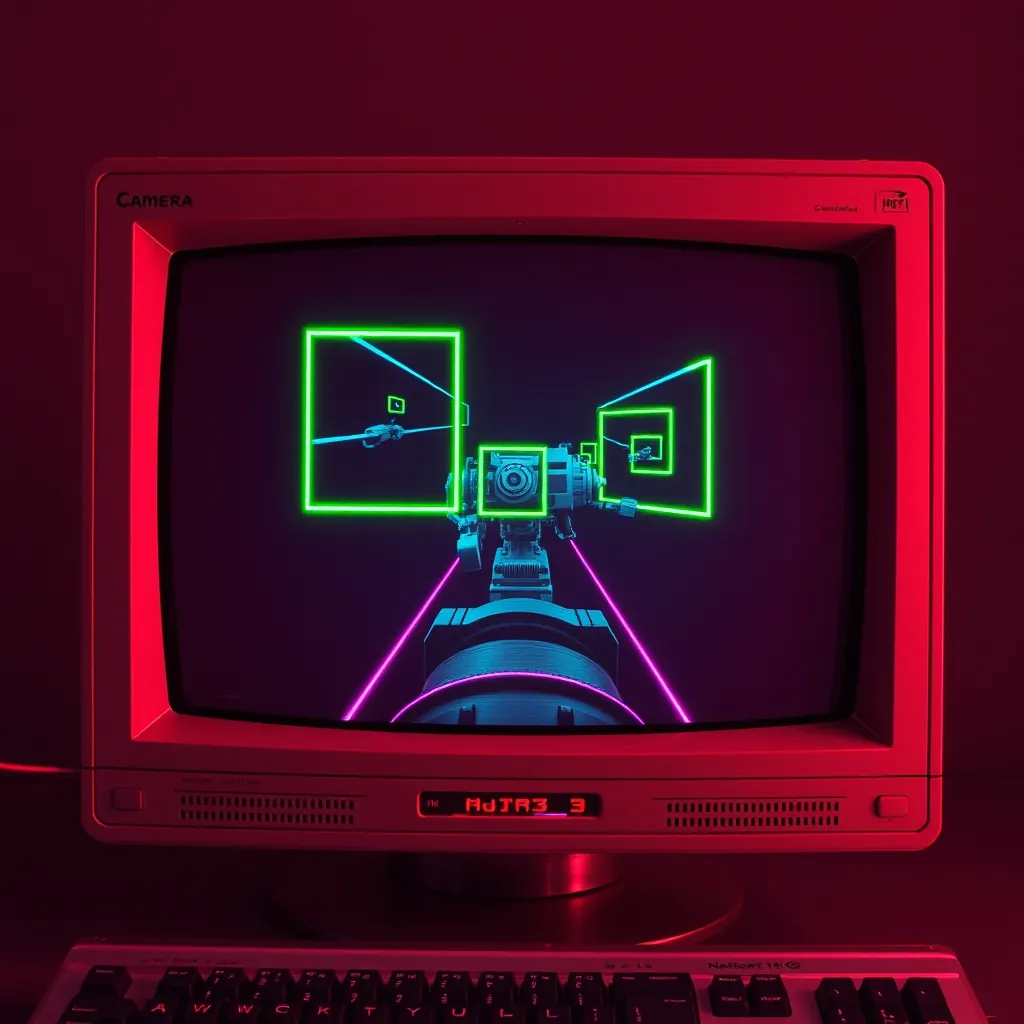
But the real flex here is the single RGB camera requirement. Instead of relying on multi-sensor arrays that look like a bad sci-fi prop, Robostral processes complex 3D environments using the same kind of 2D visual data your cheap webcam captures. It’s feeding off standard visual inputs to calculate depth, avoid obstacles, and map environments in real-time. It is essentially giving a budget drone or a janky robot dog the exact same spatial awareness as a multi-million-dollar autonomous vehicle prototype. The model takes raw pixel data and translates it directly into actionable motor commands. That is a massive leap from the traditional "sense-plan-act" robotics pipelines that require three separate, massive AI models just to take a single step forward. Robostral condenses the entire stack into one highly efficient 8B package.
This drop couldn’t come at a better time, mostly because the consumer hardware space is currently littered with the burning wreckage of AI hype. Look at the absolute state of the Humane AI Pin. Six hundred dollars plus a monthly subscription for a lapel decoration that overheats while it hallucinates your calendar invites. And don't even get me started on the Rabbit R1, a plastic paperweight that was supposed to revolutionize LAMs (Large Action Models) but ended up being an Android app in a retro shell. The lesson? Slapping an LLM onto a piece of hardware doesn't make it smart. The tech world has a massive habit of overpromising and underdelivering. We saw it with the metaverse, we saw it with crypto, and right now, we are watching the slow-motion car crash of consumer AI gadgets.
Everyone wants to ship the "next iPhone," but they keep shipping glorified middlemen. Robostral isn't a gadget; it's the foundational architecture that will actually make those gadgets viable. It bypasses the latency of cloud computing entirely. If a robot is navigating a complex environment—say, dodging traffic or moving through a crowded warehouse—it cannot afford the 500-millisecond delay of sending an image to a server, waiting for a response, and executing the movement. It needs sub-millisecond reaction times. An 8B model running locally on edge silicon solves the latency problem dead. Mistral clearly understands that if we want actual physical AI products—like real smart glasses that don't look ridiculous, or autonomous EVs that don't randomly phantom-brake—the models need to be hyper-efficient, specialized, and capable of running locally.
While OpenAI is busy hyping up Sora to generate fake videos of dogs playing poker, and Google is trying to convince us that Gemini hasn't eaten glue, Mistral is quietly building the brains for the next generation of consumer robotics. The implications for the street-tech and hardware hacking communities are massive. We are talking about democratizing robotics. When you strip away the need for $50,000 sensors and massive cloud compute, you hand the keys back to the modders, the indie hardware devs, and the street-level tinkerers. Imagine custom autonomous drones built from off-the-shelf parts, powered by a Raspberry Pi and an 8B model that costs nothing to download and run. The open-source nature of Mistral’s DNA means this isn't just a corporate flex; it’s a foundational shift. We are going to see a wave of indie robot startups popping up, leveraging Robostral to build physical agents that actually work.
We are barreling toward a future where the digital and physical worlds are fully mashed up. Spatial computing is the new buzzword, but it requires actual spatial intelligence, not just a clunky VR headset strapped to your face. Mistral’s Robostral Navigate is the kind of under-the-hood tech that makes the hype real. It turns dumb hardware into active participants in their environments. The 8B parameter count is the sweet spot—big enough to understand complex topologies and dynamic obstacles, but small enough to actually deploy without building a dedicated data center in your backpack. It takes the heavy lifting off the silicon and optimizes the math for real-world survival.
The ultimate irony of the AI revolution is that while everyone is obsessed with virtual chatbots escaping the digital realm, the actual breakthroughs are happening in the physical dirt. Mistral just handed the street a loaded deck. They’ve taken the most expensive, gatekept part of modern robotics—perception and navigation—and shrunk it down to an open-source 8B model that runs on pocket-sized compute. The only question left is what we’re going to build with it. The era of the $100,000 sensor-stacked robot butler is over. The era of cheap, highly capable, camera-driven machines is just getting started. Get your soldering irons ready.