Surveillance Pricing is the New Surveillance Capitalism
Remember when the price tag meant something? When you could walk into a store, grab a bag of chips, and know with certainty that the dude next to you paid the exact same $4.99? Yeah, those days are dead. Welcome to the era of surveillance pricing — where algorithms decide what you pay based on how desperate they think you are.
A new poll shows the majority of Americans want to ban this dystopian nonsense, along with the electronic shelf labels that make it possible. And honestly? Good. Burn it all down.
What Is Surveillance Pricing and Why Should You Care?
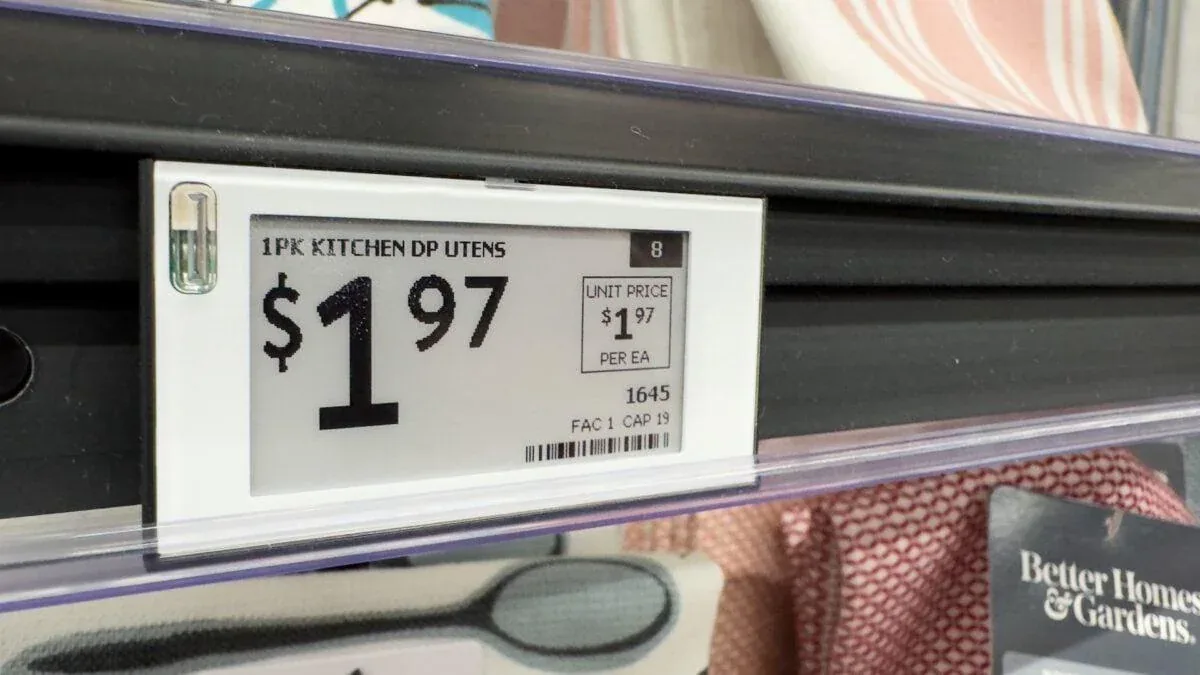
Surveillance pricing is the logical endpoint of the data economy we've been sleepwalking into for two decades. It works like this: retailers use your phone's location data, browsing history, purchase patterns, and probably your heart rate to dynamically adjust prices in real-time. The electronic shelf labels — those little digital displays replacing paper tags — let stores change prices thousands of times per day without sending some teenager with a label gun down every aisle.
Kroger's been testing this since 2022 with their "Kroger Edge" system, partnering with Microsoft to deploy AI-powered shelf tech across 2,800 stores. Walmart's been rolling out electronic shelf labels to 2,600 locations. The pitch to shareholders? "Personalized pricing" that maximizes revenue per customer. The reality? You pay more because an algorithm decided you could afford it.
The FTC launched an investigation in January 2024 into whether major retailers are using AI to engage in price discrimination. The probe targets companies like Amazon, Kroger, and Walmart. Democratic senators introduced the "Preventing Algorithmic Collusion Act" in 2023, but it's been sitting in committee because of course it has.
The Electronic Shelf Label Grift
Here's the technical setup: stores install ESLs — typically e-ink displays connected via wireless protocols like Zigbee or Bluetooth Low Energy. Each label costs between $5-15, and a mid-size grocery store might need 30,000-50,000 of them. The ROI? According to a 2023 McKinsey report, dynamic pricing can boost grocery margins by 2-5%, which on a $100B revenue chain means billions.
Companies like SES-imagotag (now partially owned by Walmart), Displaydata, and Pricer AB are the hardware players. The software side? That's where AI comes in. Machine learning models ingest your loyalty card data, credit card history, and real-time location to determine your personal "willingness to pay" — then adjust the shelf price before you even reach the product.
Kroger's partnership with Microsoft Azure IoT was announced in 2019, promising "digitized shelf edge" technology. By 2023, they'd expanded to "smart pricing" pilots in multiple markets. When asked if they use personalized pricing, Kroger says no — they claim the tech is for "operational efficiency." But internal documents from the FTC investigation suggest otherwise.
Why Americans Are Finally Pushing Back
The poll, conducted by Data for Progress, found that 67% of voters support banning surveillance pricing, including 72% of Democrats and 63% of Republicans. Turns out getting nickel-and-dimed by algorithms is one of the few things that unites this fractured country.
And it's not just groceries. Uber's surge pricing trained us to accept dynamic costs. Airlines have done it for decades. Concert tickets? Don't get me started on Ticketmaster's "platinum" pricing. But there's something about walking into a grocery store — a literal necessity — and facing algorithmic price gouging that crosses a line.
The surveillance pricing model also raises serious equity concerns. Studies show that low-income neighborhoods often see higher base prices, and personalized pricing could charge more to people with fewer alternatives — aka food deserts. It's not just creepy; it's regressive.
The AI Angle Nobody's Talking About
The real story here is the AI infrastructure being built to support this. Companies like Revionics (acquired by Aptos in 2020), Clear Demand, and Pros Holdings are building pricing engines that use reinforcement learning to optimize prices in real-time. These aren't simple supply-demand curves — they're neural networks trained on years of transaction data.
Google Cloud offers a "Retail Pricing" API that uses machine learning to optimize prices. Amazon's internal pricing algorithms are legendary — they adjust prices on millions of products multiple times per day. The AWS infrastructure powering all this? It's the same cloud that runs ChatGPT.
The electronic shelf label market is projected to hit $2.3 billion by 2027, growing at 23% CAGR. Every major grocer is either piloting or deploying. This isn't a fringe experiment — it's the new normal unless we stop it.
What Needs to Happen
Ban surveillance pricing. Full stop. Require static pricing for essential goods. Force retailers to display the same price to every customer, and require 24-hour notice before any price change. If that kills the electronic shelf label market, good — maybe we can use those billions to pay workers better instead.
The EU is already ahead on this with the Digital Markets Act and stricter consumer protection laws. California's trying with AB 1060, which would require transparency in algorithmic pricing. But federal action? Don't hold your breath.
In the meantime, delete your loyalty cards. Pay cash when you can. Use a VPN. Make the algorithms work harder for their data. And next time you see a digital price tag, remember: it's not showing you a price. It's showing you your price. And that should piss you off.