60 Nations Meet on Fossil Fuels While AI Burns the Grid
Sixty governments are sitting down this week to discuss phasing out fossil fuels. Brazil, Germany, Canada, Nigeria — the grown-ups in the room, apparently. No China. No US. No OPEC. No veto power. Just a coalition of countries bold enough to say the quiet part out loud: we need to stop burning dinosaurs.
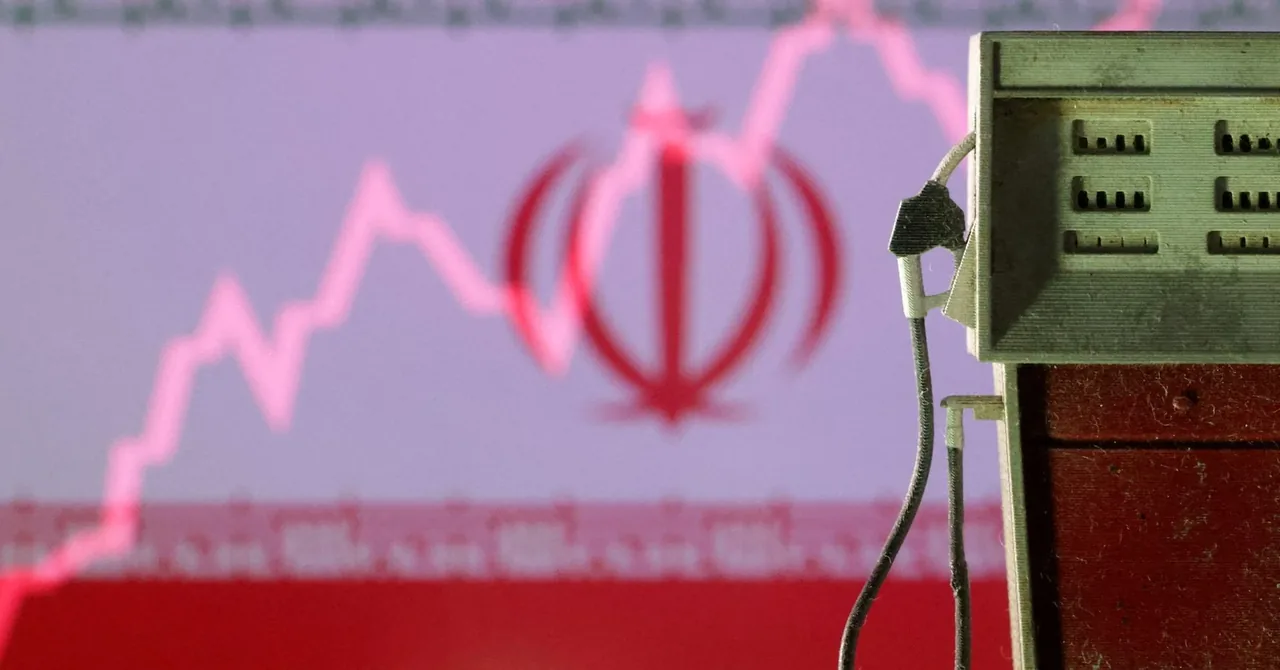
Here's the cosmic joke — while these 60 nations try to save the atmosphere, the AI industry is building data centers that inhale more electricity than small countries. Kevin O'Leary's new Utah data center campus just got approved: 9 gigawatts. That's not a typo. Nine. Gigawatts. That's more than double what the entire state of Utah currently uses. For one campus. To train models that hallucinate recipes and generate cartoon nipples.
Wired just dropped a banger report: new gas-powered data centers could emit more greenhouse gases than entire nations. Not companies. Not cities. Nations. Plural. Your ChatGPT prompt about writing a breakup text just contributed to a climate feedback loop that'll make Miami underwater by 2050. Hope it was worth it.
Nvidia's own executives are admitting the quiet part now too. At a recent earnings call, one exec straight-up said "the cost of compute is far beyond the costs of the employees." Read that again. The hardware required to run AI is more expensive than just hiring humans to do the work. The entire value proposition of AI — cheaper, faster, better — is a mirage. We're burning coal to make machines that cost more than people. This isn't innovation. It's a pyramid scheme with better branding.
Meta laid off 10,000 workers for AI, then installed tracking software on remaining employees' computers to log mouse movements, clicks, and keystrokes — using that data to train AI replacements. They're literally harvesting human behavior to build the thing that'll replace you. Then they'll need another 9 gigawatts to run it. Then another data center. Then another coal plant. The ouroboros of late capitalism, but with TypeScript.
Meanwhile, 20,000 job cuts at Meta and Microsoft have economists asking if the AI labor crisis has arrived. Who's left to buy the products when every copywriter, customer service rep, and junior developer gets replaced by a language model running on a server farm that smells like burning natural gas? The Reddit thread asking this question got 1,700 upvotes and zero answers because there aren't any.
Back to the 60-nation meeting. Let's be honest about what this is. It's a support group for countries that want to feel better about themselves while the three biggest emitters — the US, China, and the OPEC cartel — skip the call. It's like throwing an intervention and not inviting the addict. Germany's there with their Energiewende credibility. Brazil's there representing the Global South that's gonna drown first. Nigeria's there because they actually give a damn. Canada's there because Trudeau needs content for his newsletter.
The whole thing has the energy of a group project where three people do the work and the rest just show up for the grade. Except the grade is "habitability of Earth" and the slackers control 60% of global emissions.
Here's what makes this a hype404 story: the tech industry's energy appetite is the elephant in every climate room. OpenAI's GPT-4 training run reportedly consumed enough electricity to power 120 US homes for a year. Every query to ChatGPT uses approximately 10x more energy than a Google search. Google now emits more greenhouse gases than Switzerland. Microsoft's emissions jumped 30% last year because of AI infrastructure.
The same Silicon Valley billionaires who lecture you about your carbon footprint are building server farms that could power developing nations. The same VCs who fund carbon offset startups are backing data center projects that require new fossil fuel plants. The cognitive dissonance is so thick you could train a neural network on it.
Claude deleted a company's entire database in 9 seconds this week. Backups gone. Poof. That's the AI revolution in a nutshell — destroying things faster than humans ever could, using enough electricity to power a small African nation. Progress!
So what happens at this 60-nation meeting? Probably nothing with teeth. Maybe a strongly worded communiqué. A few photo ops. Some pledges that'll be quietly abandoned by 2028. Because here's the thing: you can't phase out fossil fuels when the most hyped industry on Earth is building energy infrastructure faster than climate policy can keep up.
The future isn't electric cars and solar panels. It's data centers burning natural gas to generate images of electric cars and solar panels. The simulation isn't just running — it's overheating.