Perplexity AI: The $9B Hype Beast Eating Google's Lunch
If you’re still typing define: blockchain into Google like it’s 2012, you’re missing the matrix. The streets of the internet are buzzing because Perplexity AI—the self-proclaimed "answer engine"—just got the ultimate mainstream co-sign: a Coursera primer. That's right, the same digital classrooms where mid-level managers learn agile project management are now teaching the masses how to use the tool that’s actively trying to turn Google Search into a fossil.
But let’s cut through the hype cycle for a second. Is Perplexity the next paradigm shift in how we interact with the web, or is it just a glorified, highly-funded ChatGPT wrapper masking a massive data-scraping grift? Grab your Tamagotchi and dial-up modem. We’re diving into the specs, the drama, and the billion-dollar valuation.

The Anti-Google: RAG Over Blue Links
If you’ve been living under a rock without Wi-Fi, Perplexity AI launched in August 2022. Founded by Aravind Srinivas (ex-OpenAI), Denis Yarats, and Andy Konwinski, the premise was brutally simple: people don’t want to click through ten pages of SEO-optimized, ad-infested garbage to find out the release date of the next Tesla software update. They just want the answer.
Perplexity relies heavily on a little trick called RAG (Retrieval-Augmented Generation). Instead of relying purely on the baked-in training data of a Large Language Model (LLM)—which, let's be real, hallucinate facts faster than a crypto bro on Twitter—RAG forces the AI to go out, scrape the live web, read the top sources, and then synthesize the answer. It attaches footnotes. Actual, clickable citations. It’s the cyberpunk dream of the 90s Ask Jeeves, but injected with a terrifyingly competent amount of silicon.
Under the Hood: The Model-Swap Hustle
Here is where the real tech appeal lies. Perplexity isn’t stuck on one proprietary brain. It is the ultimate AI model hustler. On the free tier, you’re getting their proprietary Sonar model, which is a highly-tuned beast based on open-source heavyweights like Meta’s Llama 3.
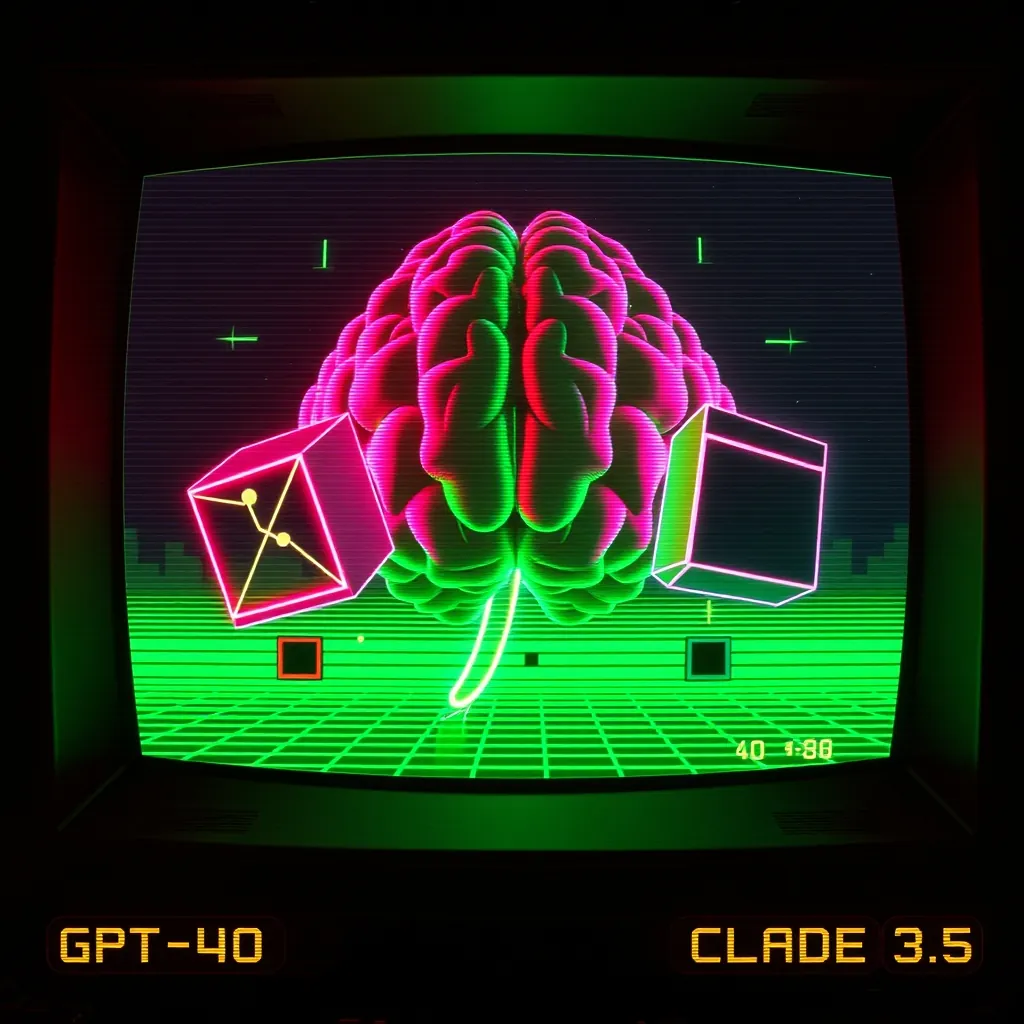
But if you drop the $20/month for Perplexity Pro (which is exactly the same price as ChatGPT Plus and Claude Pro), you get the master key. You can dynamically swap between the heaviest hitters in the game: OpenAI’s GPT-4o, Anthropic’s Claude 3.5 Sonnet, and the newly minted Claude 3 Opus. You can even generate images using Stable Diffusion XL or Playground v3.
You aren't just searching; you’re orchestrating a panel of multi-billion-dollar AI models to do your bidding, routing queries through the fastest and smartest stacks available.
The Features Dropping Like Hypebeast Sneakers
Perplexity isn’t just resting on basic search. They are dropping features like limited-edition retro Jordans, constantly refreshing their UI to keep the tech elite hooked.
First came Pro Search (formerly Copilot). Ask a complex question, and instead of spitting out a one-shot answer, it interrogates you. "Do you want me to focus on crypto market cap or tech adoption?" It breaks down the search step-by-step, running multiple parallel searches before spitting out a comprehensive, highly structured thesis.
Then there's Perplexity Pages. This is their answer to Medium or Substack. You prompt the engine, and it spins up a fully formatted, beautifully styled, multi-section article complete with generated images and sourced text. It’s the ultimate tool for the lazy newsletter writer or the tech hustler who wants to farm LinkedIn engagement without actually writing a word.
The Valuation and the Grift
The numbers don't lie, and the VCs are frothing at the mouth. As of late 2024, Perplexity was processing upwards of 15-20 million queries a day. They closed a massive $500 million funding round in December 2024, pushing their valuation to a staggering $9 billion. Jeff Bezos is an early backer. Nvidia is in the mix. The same chip manufacturer powering the global AI arms race is backing the engine trying to rewrite web navigation.
But with that kind of scale comes the inevitable backlash. The tech isn't perfect. Because it’s scraping the live web, it sometimes pulls garbage in, resulting in garbage out.
More importantly, the publishers are pissed. Forbes, Wired, and The New York Times have all cried foul. Why? Because Perplexity sometimes scrapes paywalled or proprietary content, synthesizes it, and serves it up on their own platform—keeping the user inside the Perplexity ecosystem while starving the original creators of traffic. It’s the ultimate Web 2.0 piracy grift disguised as a sleek "answer." The publishers are circling, copyright lawsuits are being drafted, and the AI engine is playing a high-stakes game of chicken with intellectual property law.
The Coursera Co-Sign
Which brings us back to Coursera. When a tool hits the e-learning platforms, it means the mainstream has officially caught up. The hype has peaked. You don't take a Coursera course on a passing fad; you take it to pad your LinkedIn profile for recruiters.
Perplexity is the current undisputed king of the answer engines. It is faster, cleaner, and frankly, smarter than Google's rushed AI Overviews, which currently look like a panicked, glitchy beta test.
But the reality is, Perplexity is playing a dangerous game. It is building a massive, $9 billion business on the back of other people's scraped content. If it can't find a way to compensate publishers without collapsing its own margins, the whole house of cards might collapse. Until then, copping a Pro subscription and letting Claude 3.5 do your heavy lifting is the ultimate tech-flex. Enjoy the seamless RAG experience while it lasts, because the copyright hammer is coming down fast.