POKÉMON CARDS ARE THE NEW SNEAKER DROPS
Somebody pull the fire alarm at The Pokémon Company International HQ because we got a full-blown hysteria situation on our hands.
A Reddit post titled "Nice hit from Ascended Heroes" hit the front page of r/PokemonTCG this week, and within hours the comments section turned into a war zone of jealousy, price-check requests, and that one guy who always says "I've pulled three of those" (you didn't, Brent, we all know you didn't).
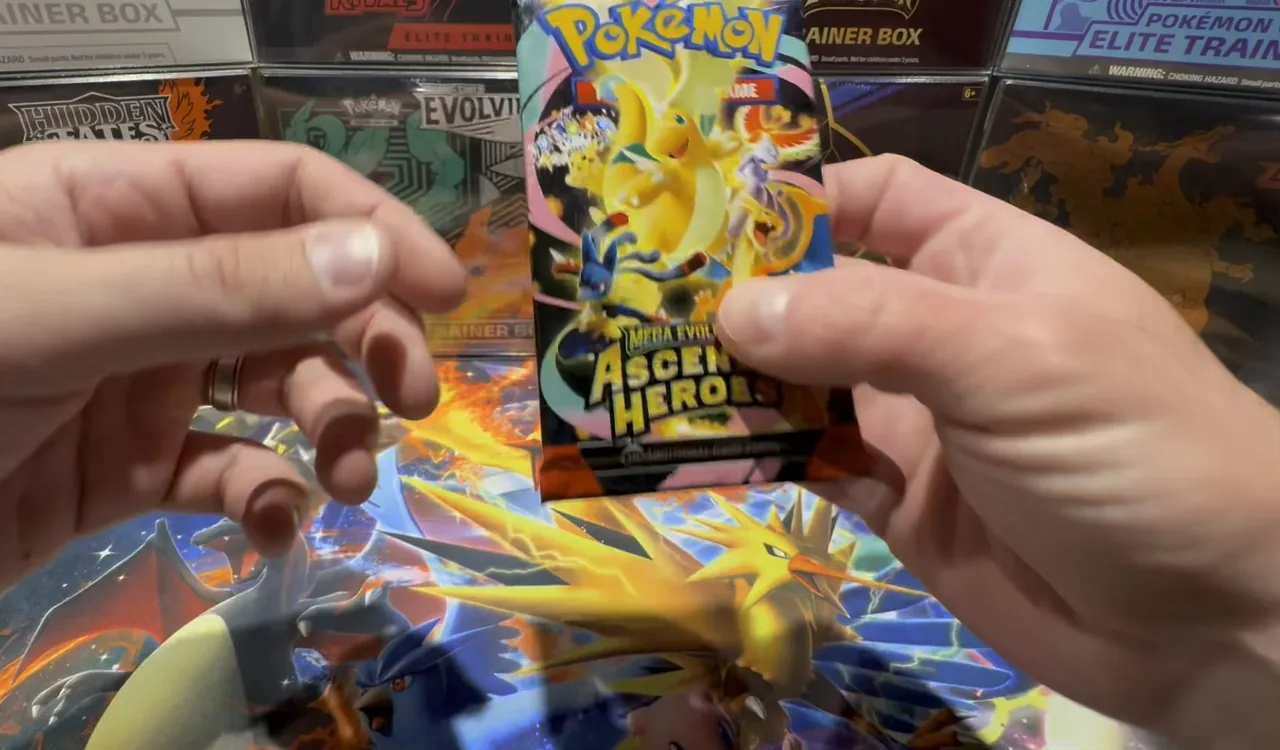
The hit in question? A card from the Ascended Heroes subset — the premium chase tier that's currently sending grown adults into the same kind of frenzy usually reserved for Travis Scott drops and Labubu restocks. We're talking full-art, alternate-art, rainbow-rare Whateverémon that retails for $4.99 in a booster pack but commands $200-$800 on the secondary market because The Pokémon Company decided that scarcity is a personality trait.
Here's the thing about Pokémon cards in 2026: they've become the perfect hype vehicle. You've got artificial scarcity (print runs that somehow never meet demand), a secondary market that makes StockX look like a farmer's market, and a community that's equal parts genuine nostalgia and full-blown gambling addiction. It's Supreme box logos for people who know what EV training means.
The Ascended Heroes situation is particularly egregious. Released as part of the latest main-line expansion, these cards feature Pokémon in "ascended" forms — basically power-crept versions of fan favorites with artwork that makes them look like they just won a reality TV competition. The pull rates? Somewhere between "winning the lottery" and "finding a parking spot at Whole Foods on a Sunday." We're talking 1-in-200 packs for the full-art variants, which means you're dropping a minimum of $1,000 in sealed product to statistically pull one. That's not a hobby. That's a problem.
And The Pokémon Company knows exactly what they're doing. They've been studying the sneaker game playbook for years. Limited print runs? Check. "Random" allocation to retailers? Check. Influencer unboxing videos that feel more like infomercials than content? Check, check, check. They've turned cardboard into a speculative asset class, and we're all just participating in an unregulated commodities market with better artwork.
The numbers are genuinely staggering. The global Pokémon TCG market hit $1.2 billion in 2025, up 340% from 2020. A first-edition Base Set Charizard in PSA 10 condition sold at auction for $420,000 last March. That's not a typo. Four hundred and twenty thousand dollars for a piece of cardboard with a fire lizard on it. We've officially entered the territory where "investing in Pokémon cards" sounds less insane than "investing in memecoins," and honestly, at least the Charizard has cultural value beyond a JPEG of a dog wearing a hat.
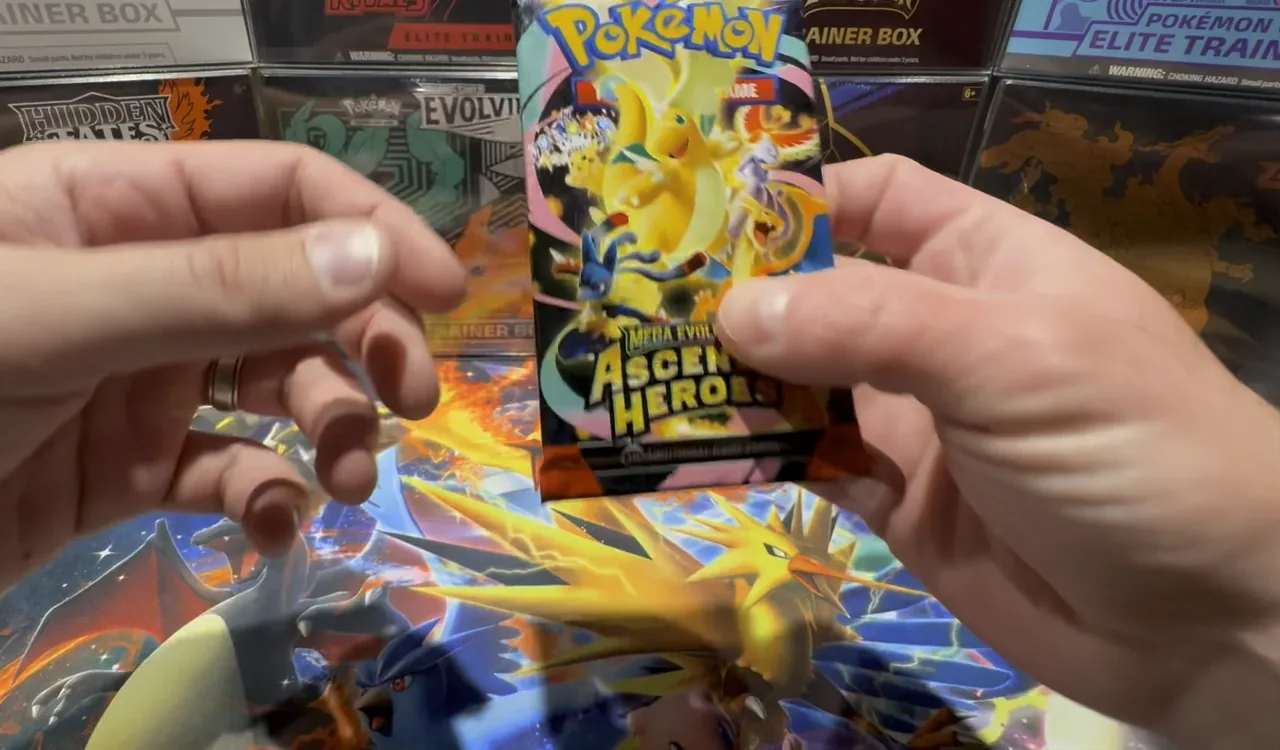
But here's where it gets dark — and where the Pokémon hype machine starts to look less like innocent fun and more like the same extractive capitalism we cover on this blog every week. Scalpers are buying out retailer stock within minutes of restocks. Local game stores are implementing purchase limits that would make pandemic-era toilet paper buyers blush. Kids — the actual target demographic — can't get packs at retail price because some 34-year-old named Chad bought 47 ETBs at his local Target at 6 AM and is now listing them on eBay for 3x markup.
Sound familiar? It should. This is the exact same playbook as the Stanley cup craze, the Pop Labubu mania, every sneaker drop that's ever "sold out in 0.4 seconds." Manufactured scarcity meets FOMO meets a population that's been trained to view consumption as identity. The only difference is that Pokémon has been playing this game since 1996, and they've gotten very, very good at it.
The Ascended Heroes chase also exposes something uglier lurking beneath the nostalgia: the gamblification of everything. Pack openings are functionally loot boxes — you're paying for a chance at something valuable, with the house always winning. The Pokémon Company isn't selling you a game anymore; they're selling you a dopamine hit wrapped in holographic foil. And just like the memecoin grifters and the NFT bros before them, they're profiting off the sunk-cost fallacy that keeps people buying "just one more pack."
At least with sneakers, you can wear them. With Pokémon cards, you put them in a binder and stare at them occasionally, or you send them to PSA for grading and then put them in a vault where nobody ever sees them again. The "investment" argument is circular: cards are valuable because people want them, and people want them because they're valuable. It's tulip mania with better branding.
So yeah, congratulations on the Ascended Heroes pull, random Redditor. You won the cardboard lottery. Just don't pretend it's anything other than what it is: a beautifully engineered hype cycle designed to separate you from your money, one booster pack at a time.
Now if you'll excuse me, I need to go check if my local game store got their restock yet. For a friend. It's for a friend.