Buy It Now or Regret Forever: The Labubu Trap
Remember when a Happy Meal toy was just a cheap plastic trinket you'd lose under the car seat? Welcome to 2025, where a lumpy, bug-eyed monster named Labubu sells for $400 on resale markets, and grown adults are lining up at 5 AM because they've been told—explicitly, repeatedly, algorithmically—that if they don't buy NOW, they will regret it FOREVER.
This isn't art. This isn't collecting. This is a carefully engineered panic machine, and we're all scrambling inside it.
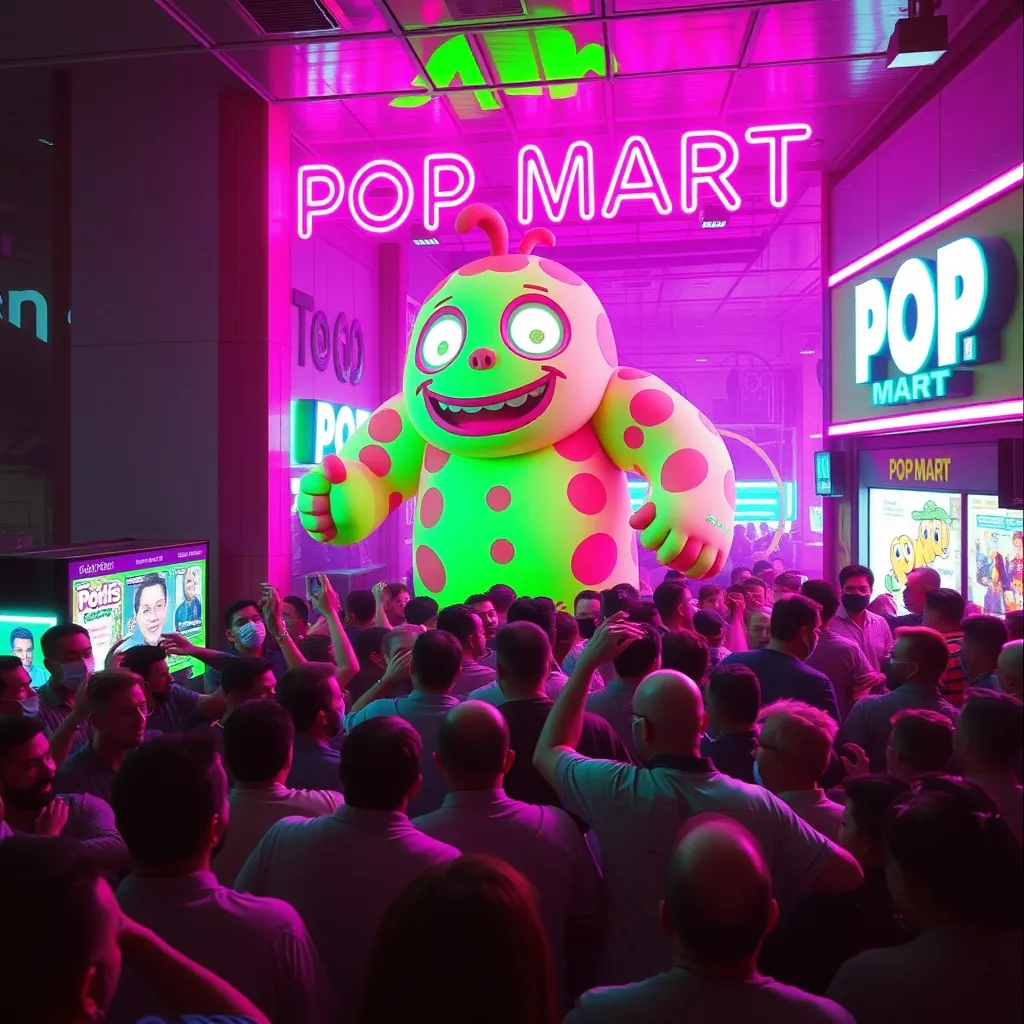
The masterstroke of the blind box model isn't the mystery. It's the urgency. Every drop is “limited.” Every store restock is “while supplies last.” Every TikTok unboxing video whispers the same threat: someone else just pulled the rare one, and you didn't. Pop Mart doesn't sell toys—they sell the fear of missing out, packaged in cardboard and priced at $15 a hit.
Let's talk numbers. Pop Mart's revenue exploded to over 6.3 billion yuan (roughly $870 million) in 2023, and the Labubu craze has only accelerated since. Their profit margins? Obscene. Injection-molded PVC figures that cost pennies to produce, selling for $10-$20 at retail—and multiples of that on the secondary market. As the Daily Tribune reported, the blind box phenomenon has supercharged Pop Mart's bottom line, with Labubu leading the charge.
Here's how the trap works. Each blind box series includes common figures and rare “secret” editions with drop rates as low as 1 in 144. Pop Mart deliberately underprints these secrets, creating artificial scarcity that sends resale prices into the stratosphere. Rare Labubu figures have hit $800+ on platforms like StockX and Xianyu. But the real genius is the time pressure. Once a series sells out, it's gone. No restock. No second chance. The message is crystal clear: buy now or watch someone else flip it for ten times the price on StockX while you drown in regret.
Some collectors buy entire cases (usually 12 boxes) trying to chase the secret, spending $200+ in one sitting. Sound familiar? It's the same playbook as Nike's limited sneaker drops, Pokémon card booster packs, and gacha games—but with even lower production costs and arguably higher margins. At least with sneakers, you can wear them. These figures sit on a shelf, gathering dust while gathering clout.
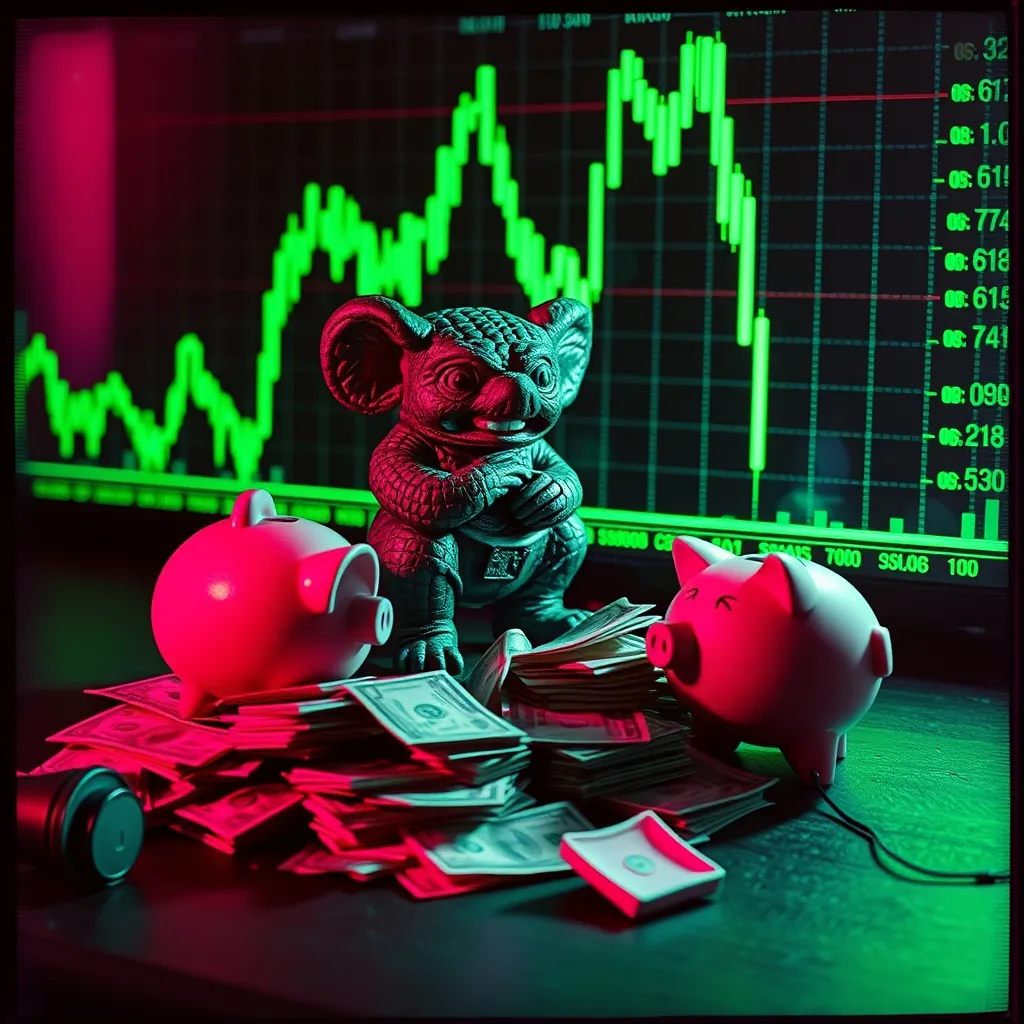
And here's where it gets truly absurd: these figures are objectively ugly. Labubu looks like a meth-addicted Gremlin designed by someone who's never actually seen a child smile. Serrated teeth, dead eyes, the proportions of a nightmare. But that's entirely the point—ugly becomes a flex when scarcity is involved. Owning the rare ugly one signals you're plugged in, that you have access, that you're part of the tribe. It's a status symbol for a generation that grew up on digital scarcity (Fortnite skins, NFTs, limited Discord badges) and now craves physical tokens of belonging.
Pop Mart understood something fundamental about modern consumer psychology: the experience of not knowing is more addictive than the thing itself, but the fear of never having the chance to know is what actually opens wallets. The unboxing video has become its own genre on TikTok and Xiaohongshu, with creators filming themselves opening blind boxes for audiences of millions. Each rip of cardboard is a mini-drama. Will this be the one? Probably not. But the comments are flooded with “WHERE DID YOU BUY THIS” and “ARE THERE ANY LEFT” and “JUST MISSED THE RESTOCK I'M SO MAD.” The FOMO is viral. It's contagious. It's by design.
The cultural crossover has been massive. Blackpink's Lisa posted herself with a Labubu figure, sending demand into overdrive. In Thailand, Labubu became such a phenomenon that Pop Mart opened flagship stores to three-hour queues. In Singapore, fights broke out at pop-ups. The global expansion isn't accidental—Pop Mart has been aggressively planting stores from London to Los Angeles, each one a temple to “limited stock, while supplies last, no rain checks.”
The financials tell the story of a company that cracked the code. Pop Mart's market cap has fluctuated around $10 billion. Revenue from overseas markets grew over 130% year-over-year in their most recent reports. Labubu alone generated over 1 billion yuan in sales. One character. One billion yuan. From plastic monsters in cardboard boxes that you had to buy right now or lose forever.
The secondary market is where the real mania lives. Resale apps are flooded with “authenticated” Labubu figures selling for 10x, 20x, sometimes 50x retail. The same infrastructure—StockX-style authentication, Instagram dealers, Discord trading groups—has been repurposed for designer toys. And just like sneakers, there are fakes flooding the market, which has spawned its own sub-industry of authentication services. People are paying to verify that their $400 plastic monster is real—because the nightmare isn't just missing out, it's missing out on the genuine article.
The Beanie Babies comparison is obvious but instructive. In the 90s, Ty Warner convinced millions that stuffed pellets in animal shapes were investments. The bubble burst spectacularly, and millions of Beanie Babies now molder in attics across America. Pop Mart's figures will likely meet the same fate—but not before the company extracts billions more from consumers convinced that this time it's different and if I don't buy now I'll hate myself later.
What makes this moment different is the social media accelerant. Beanie Babies had word-of-mouth and collector magazines. Labubu has TikTok algorithms optimized to show you the exact moment someone pulls a rare figure, their face exploding with joy, the comments section a mix of congratulations and desperation. It's hyper-efficient FOMO transmission, and it's teaching a whole generation that the feeling of “I need this right now or I'll regret it forever” is just... normal shopping.
So next time you see a grown adult weeping over a cardboard box, or a line wrapping around a mall at dawn for a toy store opening, remember: this is the economy we built. One where urgency is manufactured, scarcity is artificial, regret is the growth product, and a lumpy monster with dead eyes is worth more than your rent payment because you were told it won't be available tomorrow. Buy it now. Regret it later. Or don't buy it and regret it forever. Those are your only options.
They've made sure of that.