The $200 Sleeves for Your $500 Cardboard: Pokemon TCG's Sleeper Economy
Someone posted a photo on r/PokemonTCG last week that should've been innocuous — a card, sitting there, looking for a home. "Where do I find sleeve/bag for this?" Simple question. Innocent. The kind of thing your grandpa might ask at a yard sale.
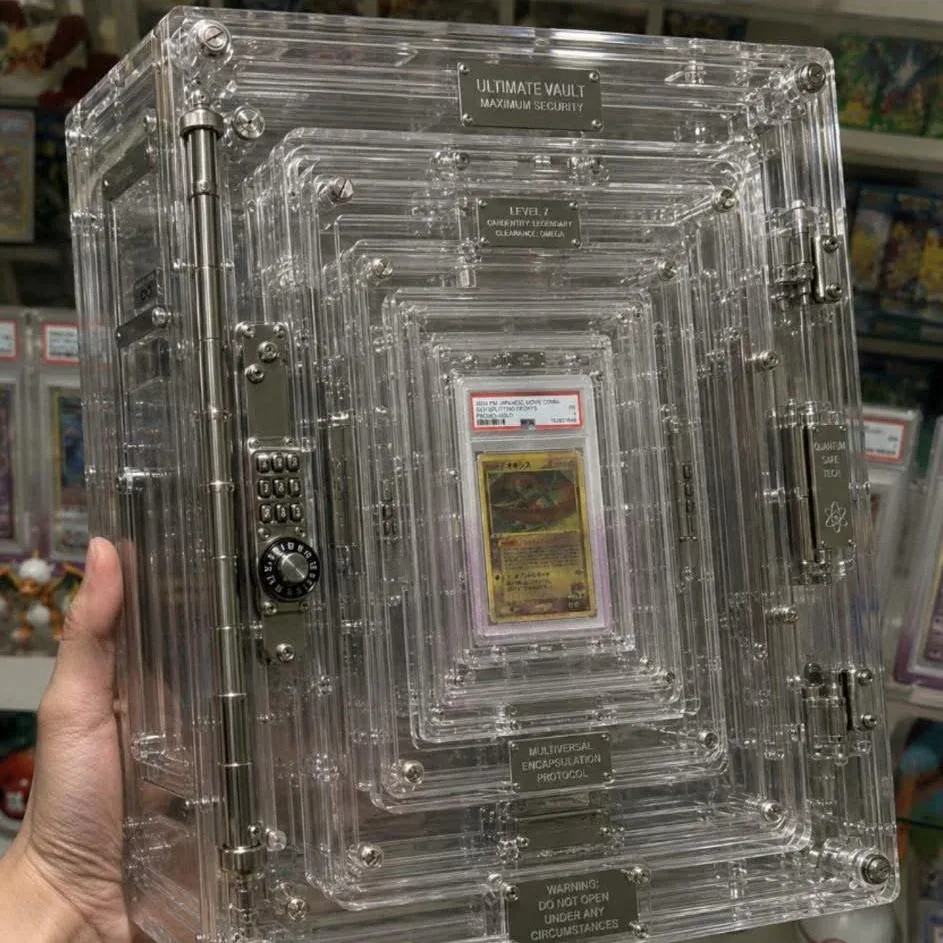
Except the Pokemon TCG accessory economy in 2026 is neither simple nor innocent. It's a fully weaponized secondary market where the plastic sleeve protecting your cardboard can cost more than the cardboard itself. And we're all just pretending this is normal.
Let me paint the picture. The Pokemon TCG market pulled in over $2 billion in 2024 alone. Scalpers camp outside Target like it's a Yeezy drop. Influencers crack "wholesale mystery boxes" on YouTube for views. And somewhere in the middle of this hurricane of manufactured scarcity, you need a penny sleeve that costs $0.03 to manufacture but somehow retails for $1.50 because it says "Dragon Shield" on the packaging.
The Reddit thread in question? It blew up because the answer to "where do I find a sleeve for this" isn't simple anymore. You've got perfect fit inner sleeves. Outer sleeves. Toploaders. Magnetic one-touch holders. Screwdowns. Grading card savers. And each of these comes in 14 different brands with competing price points and tribalistic communities defending their plastic of choice like it's Android vs. iOS in 2012.
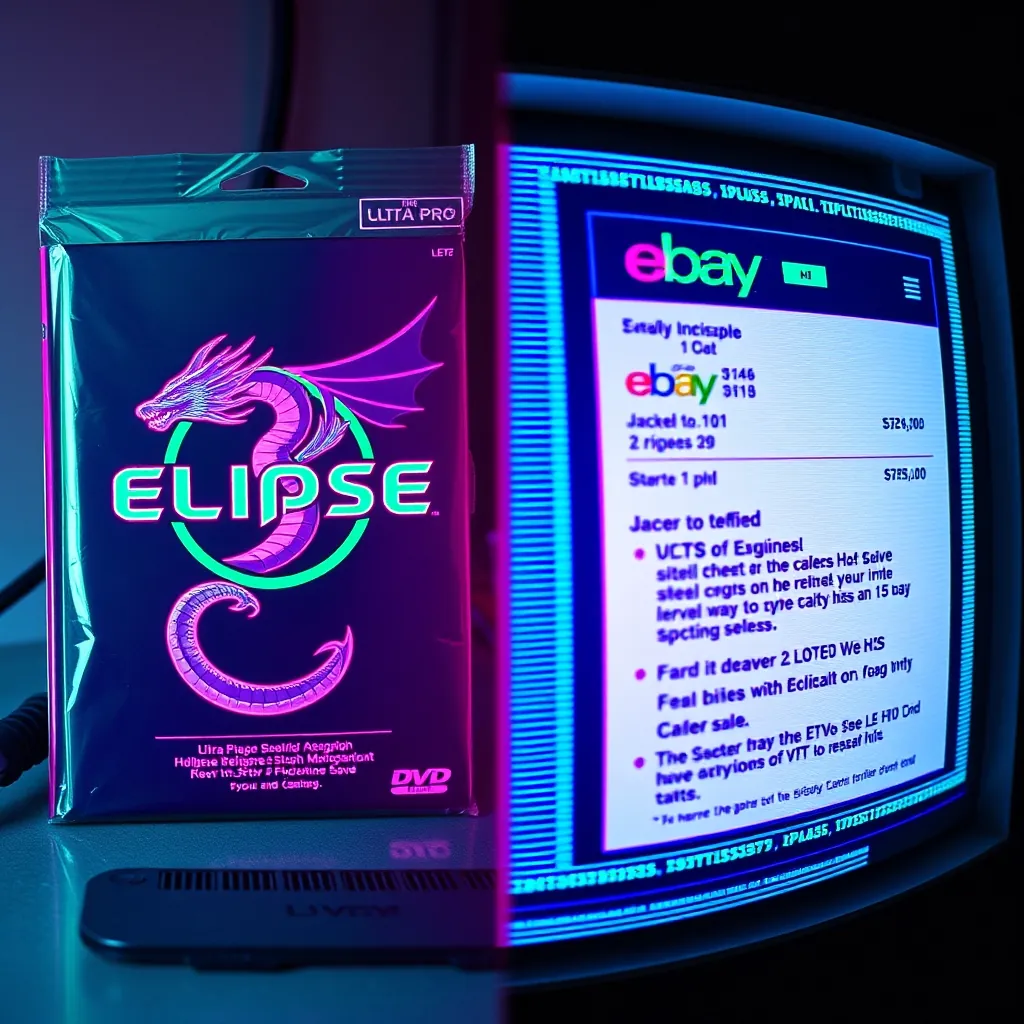
Here's where it gets genuinely unhinged: the accessory market is now being targeted by the same scalper bots that ruin sneaker drops. Ultra Pro's Eclipse sleeves — the matte black ones with the holographic dragon logo — regularly sell out online and resell for 3x MSRP on eBay. We've reached a point where card protectors have hype drops. Let that marinate.
And the bags? The "bag" the Reddit user is asking about? That's a resealable polypropylene sleeve, maybe 3mil thick, that comes in packs of 100 for about $8. Except if you want the ones with the Pokemon licensed artwork on them, you're paying $15-25 for the same plastic with a Pikachu print that'll fade after three exposures to sunlight.
This is the part of hype culture nobody wants to examine. We'll clown on the Dubai chocolate bar resellers ($100 for a bar that retailed at $20 — and no, it doesn't taste good). We'll roll our eyes at the Stanley cup army camping outside Target at 5am for a cup that retailed for $35 three years ago and now has a waiting list. But Pokemon accessories get a pass because nostalgia.
The TCG accessory racket mirrors the sneaker game almost 1:1. Limited drops create artificial scarcity, scarcity creates perceived value, and perceived value attracts resellers who don't care about the product. Dragon Shield, Ultra Pro, KMC, Player's Choice — these are the Nike, Adidas, New Balance, and ASICS of card protection. Each has "colorways" (they call them art series). Each has collabs. Each has diehard fans who'll argue on Twitter that their sleeve corners better than the competition.
Ultra Pro launched their "Eclipse Dual" sleeve in late 2025 — a double-matte finish with a colored inner layer. MSRP: $12.99 for 50 sleeves. They sold out in 4 hours nationwide. Resale on eBay within 24 hours: $35-45. For sleeves. To protect cards. That depict fictional creatures. In a game most of the buyers don't even play competitively.
The grading companies deserve their own circle of hype hell. PSA, BGS, CGC — they'll charge you $15-100+ per card to slap it in a plastic slab with a number on it. And then the accessory companies make holders for the slabs. That's right: sleeves for your cards, slabs for your graded cards, and bags for your slabs. It's Russian nesting dolls of commodified plastic, each layer adding zero functional value but tripling the price.
What's happening with Pokemon accessories is what happens when nostalgia meets late-stage capitalism meets social media amplification. A generation that grew up with Pokemon now has disposable income and a fear of their childhood treasures depreciating. The accessory industry preys on preservation anxiety. "Don't let your Charizard get edge-wear!" screams the product listing. "Invest in protection!" As if a first-edition Base Set Charizard in a PSA 10 slab needs another layer of plastic between it and the void.
The real kicker? Most of these accessories are manufactured by the same handful of factories in Shenzhen. The difference between a $5 sleeve pack and a $20 sleeve pack often comes down to the thickness of the stamping die used to cut the logo into the packaging. Same plastic. Same machines. Different markup.
So where do you find a sleeve or bag for that card, Reddit friend? Amazon. Target. Your LGS. Literally anywhere. The real question isn't where — it's why we've built an entire economy around protecting mass-produced rectangles of cardboard with overpriced rectangles of plastic, and why asking that question feels like heresy in a community that's supposed to be about fun.
The answer, of course, is that the fun stopped being the point around the time a foil Charizard could pay your rent. Everything since has been damage control — literal and figurative. Welcome to the cardboard protection racket. Bring your wallet.