Warp Is Now Open-Source — But Is It Too Little, Too Late?
Remember when Warp was supposed to be the terminal that would finally drag devs into the 21st century? AI-powered, GPU-accelerated, syntax-highlighted to hell and back — it was the tool that would make you forget about iTerm2 and Kitty. Well, guess what? Warp just dropped its source code on GitHub. But here's the thing: in 2026, "open-source" isn't a magic word anymore. Everyone and their grandma is open-source. So is Warp's move a genuine play for community trust, or a desperate Hail Mary from a company that bet everything on VC cash and a proprietary model that devs never fully embraced?
Let's rewind. Warp launched in 2022 with a bang — a Rust-based terminal that felt like a futuristic IDE for your command line. It had inline blocks, autocomplete, even a built-in AI that could explain your errors. But there was a catch: it was closed-source, and it required a login. For a terminal. Devs, the people who worship at the altar of FOSS and privacy, balked. Why would I log in to run ls? The backlash was loud. Warp tried to justify it — sync settings, team features, yada yada — but the damage was done. The terminal became a punchline in every "enshittification" conversation.
Fast forward to April 2026. Warp announces it's open-sourcing its core terminal engine under the MIT license. CEO Zach Lloyd's blog post reads like a redemption arc: "We hear you. We believe in open source. Here's the code." And honestly? The code is legit. It's a solid, modern terminal emulator with proper GPU rendering, a plugin system, and a clean architecture. If you're into terminal internals, it's worth a look.
But here's the rub: Warp's AI features — the ones that made it stand out — are NOT open-source. Neither is the login system, the sync, or the team dashboard. So what you get is the shell, stripped of its party tricks. And at this point, there are plenty of open-source terminals that do the same thing without the baggage. Alacritty, Kitty, WezTerm — they've all been iterating for years, and they don't require an account.
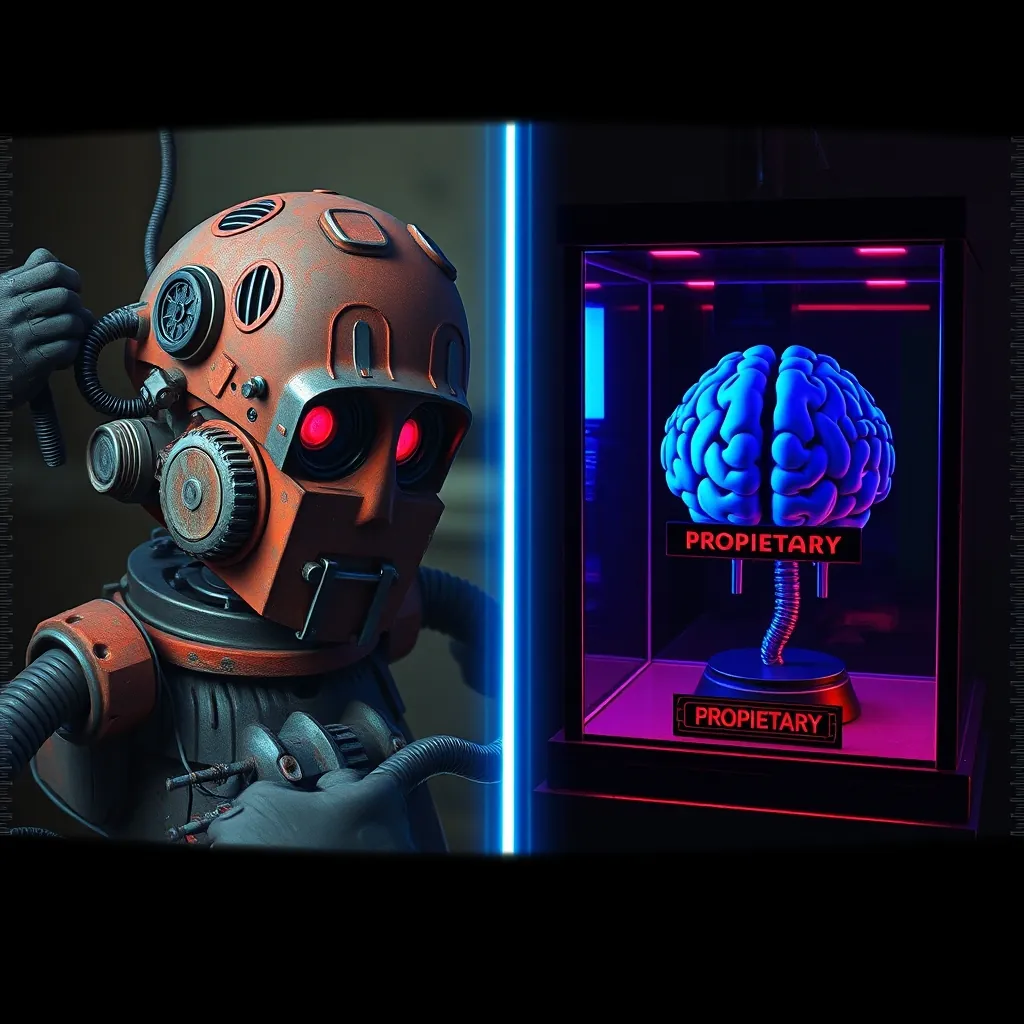
The real question is: does open-sourcing the engine matter? For Warp's survival, maybe. It could attract contributors and fork-friendly users. But for the average dev who already moved on? Probably not. The terminal space is crowded, and loyalty is thin. Plus, Warp's brand is still stained by its "proprietary-first" approach. You can't just flip a switch and expect the community to forgive and forget.
And let's not ignore the elephant in the room: Warp's business model. They're betting on enterprise features — teams, security, compliance — to make money. But if the core is open-source, why would a company pay for a closed-source layer on top? Especially when alternatives like tmux + Alacritty are free and just as good? Warp needs to prove that its AI and collaboration features are worth the subscription. So far, the market says "meh."
So, is Warp open-source a big deal? For terminal nerds, sure — it's nice to peek under the hood. For the rest of us, it's a reminder that being open-source doesn't make you a good product. It's 2026. We've seen this movie before. Warp had its chance to be the default terminal of the decade, and it blew it. Now it's just another option in a sea of options. And that's not a revolution — it's an epitaph.