Waymo's Robotaxis Are Boring — And That's the Point
Waymo's robotaxis are finally here, and they're boring. No neon lights, no spinning sensors, no futuristic bubbles — just a fleet of electric Jaguar I-Paces that look like they're driven by a ghost. But that's exactly the point. While Tesla promised Full Self-Driving "next year" for the last decade, Waymo quietly built a real autonomous taxi service in Phoenix, San Francisco, and Los Angeles. No hype, no cult of personality — just a fleet of cars that drive like your grandma on a Sunday morning.
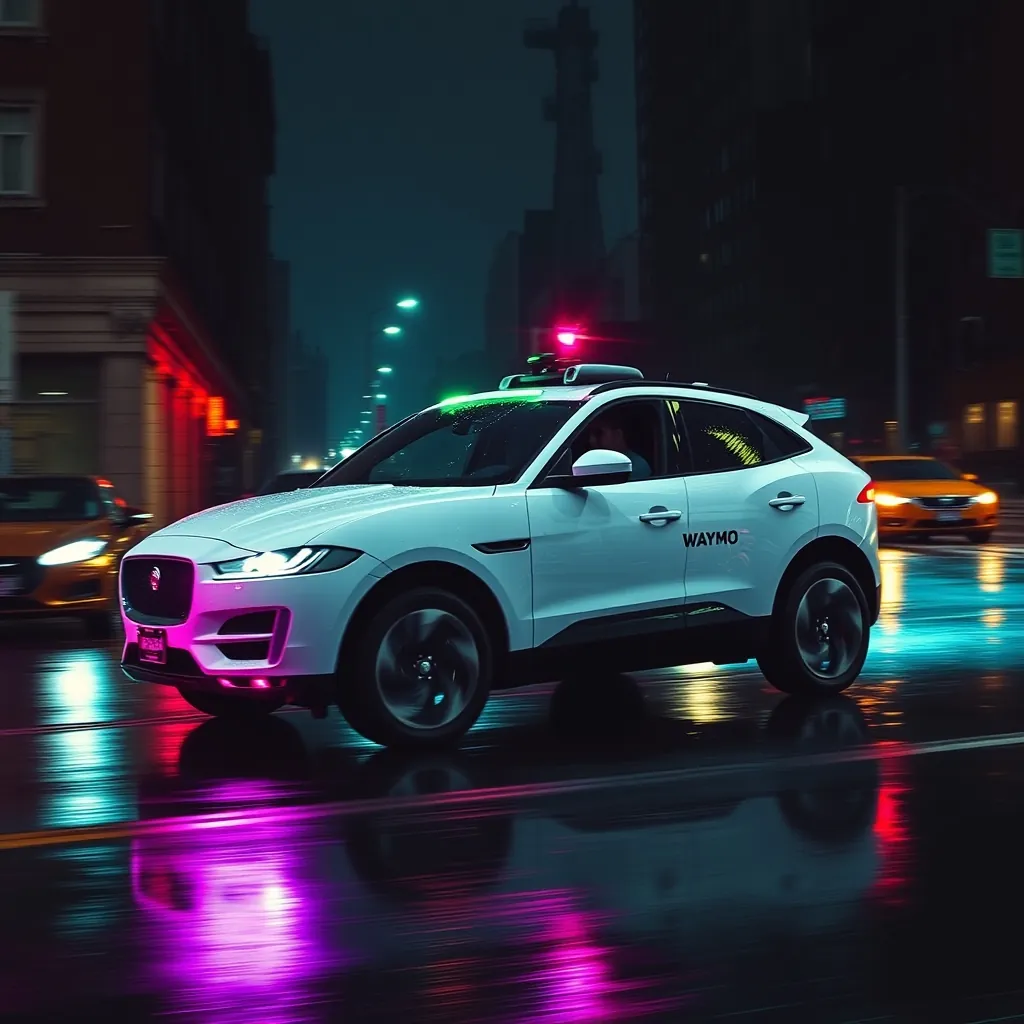
The difference is in the tech. Waymo uses lidar, radar, and cameras with HD maps, while Tesla bets on cameras alone. Waymo's approach is expensive but proven — over 20 million miles of real-world driving without a single at-fault accident. Tesla's approach is cheap but stuck in beta hell, with regulators still asking for proof.
But here's the kicker: Waymo's robotaxis are boring because they're safe. They don't cut off pedestrians, they don't roll through stop signs, and they don't accelerate like a teenager with a learner's permit. In a world where "full self-driving" means phantom braking and emergency disengagements, boring is a feature, not a bug.
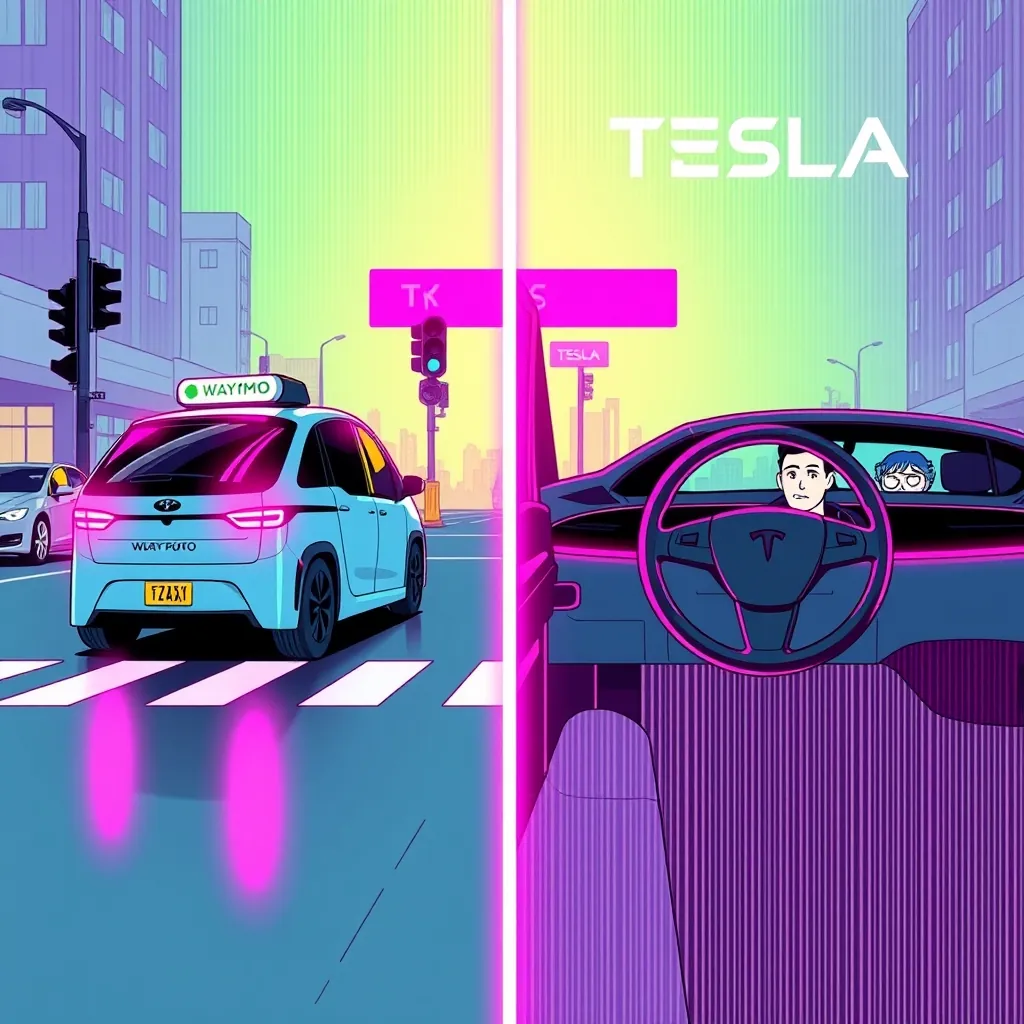
So why isn't Waymo dominating headlines? Because drama sells. Tesla's Cybertruck launch, Elon's X rants, and BYD's price wars are more fun to watch than a robotaxi that stops at every crosswalk. But if you actually want to get from A to B without a heart attack, Waymo's your ride. The future of autonomous driving isn't a stunt — it's a slow, boring, reliable crawl.
And that's the most disruptive thing of all.