39% of New Podcasts Are AI Slop. Welcome to Pod Hell.
Remember when podcasts were the last honest medium? When some dude in a garage with a Blue Yeti and a dream could build an audience on raw personality alone? Those days are dead. Murdered by algorithms. Buried in a shallow grave of synthetically generated audio sludge.
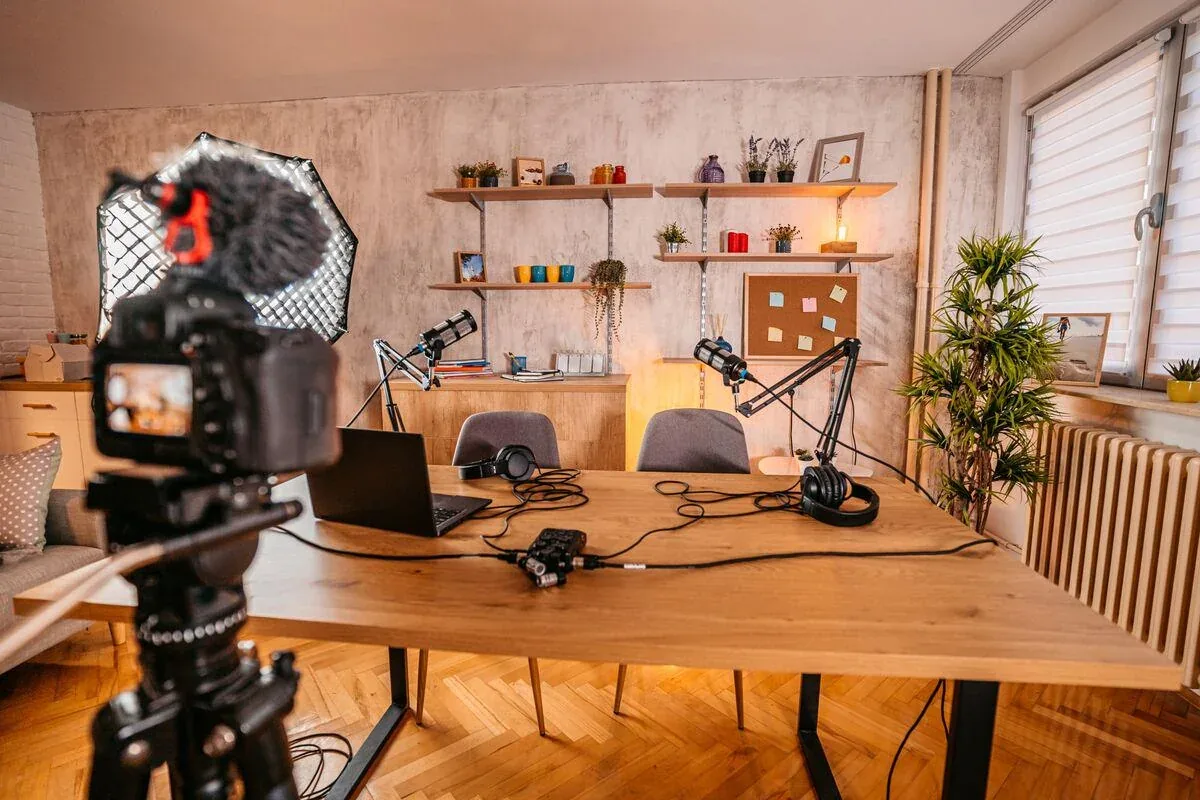
The Podcast Index just dropped a number that should make every audio creator's stomach turn: 39% of new podcasts launched in the past nine days were likely AI-generated. That's not a typo. More than a third of the "shows" flooding Apple Podcasts, Spotify, and every other directory right now are bots talking to bots, created by bots, for an audience of bots.
The industry has a name for it: #PodSlop. And it's everything wrong with the AI content gold rush compressed into a single, horrifying statistic.
How We Got Here: The Content Farm Era 2.0
If you were online in 2010, you remember Demand Media and Associated Content — factories churning out 400-word SEO articles for $3 a pop. "How to Tie Shoes," "What Time Is It in Denver," the kind of content that existed purely to game Google.
AI killed that industry. Then it resurrected it as something worse.
OpenAI's GPT-4 dropped in March 2023. Google's Gemini (née Bard) stumbled into existence the same year. By late 2024, text-to-speech models like ElevenLabs could clone voices with eerie accuracy. NotebookLM's Audio Overview feature let you generate entire podcast-style discussions from any document with two clicks.
The tools got cheap. The barrier hit the floor. And the grifters came running.
The PodSlop Playbook
Here's how it works, in case you want to feel even more disgusted:
- Scrape trending topics from Twitter, Reddit, Google Trends using automated scripts
- Feed keywords into an LLM — GPT-4o, Claude 3.5 Sonnet, whatever's cheapest per token
- Generate a script formatted as dialogue between two "hosts" with quirky names
- Pipe it through AI voice synthesis — Murf, PlayHT, or ElevenLabs Turbo v2 at $0.30/minute
- Auto-generate cover art with DALL-E 3 or Midjourney
- Blast to 50+ podcast directories via automated distribution tools
- Monetize with programmatic ads and hope the CPM covers the $2.50 it cost to produce the entire "season"
Rinse. Repeat. Scale.
One operator, speaking anonymously on a Reddit thread, claimed to be running 300+ AI-generated podcasts simultaneously. Three hundred. Each dumping daily episodes. That's 9,000 episodes a month from one person's laptop.
Why It Matters (Beyond Being Creepy)
This isn't just "let people make what they want" territory. PodSlop has real casualties:
Discovery is broken. When you search for "true crime podcast" or "crypto explained," you're now wading through hundreds of AI-generated shows with SEO-optimized titles. Real creators — the ones who actually research, interview, and give a damn — get buried.
Trust erodes. Listeners are starting to question whether any podcast is real. That slippery slope leads to the same crisis facing AI-generated reviews on Amazon and deepfaked news.
Ad dollars get diluted. Programmatic ad networks don't care if the ears are real or the content is human. As inventory floods the market, CPMs drop for everyone. The people who lose are mid-tier creators already scraping by.
Spotify and Apple don't care. More content = more engagement metrics = better earnings calls. They have zero incentive to crack down until advertisers revolt.
The Audio Cold War Escalates
The irony? The same companies whose models enable PodSlop are also trying to sell "AI podcasting tools" to legitimate creators. Google's NotebookLM pushes its Audio Overview as a feature. ElevenLabs markets to podcasters. OpenAI's GPT-4o Advanced Voice Mode literally sounds like a radio host.
It's like a weapons manufacturer selling bandages to both sides.
Meanwhile, Bloomberg reports that the audio industry is scrambling. Podcast networks are exploring audio watermarking tech. Some are pushing for certification programs — a "Human Made" label, like organic produce. Others want platform-level detection tools, though history suggests those will be about as effective as YouTube's copyright bots (read: terrible).
The Bigger Picture: Content Obesity
PodSlop isn't happening in isolation. It's part of a broader AI content obesity epidemic:
- Amazon is flooded with AI-generated books — some estimates suggest 50%+ of new Kindle titles in certain categories
- YouTube is drowning in AI-generated faceless channels
- App stores are seeing waves of AI-built junk apps
- SEO content has become an arms race between AI-generated articles and Google's attempts to filter them
The pattern is always the same: cheap AI lowers production costs to near-zero, opportunists flood the zone, quality collapses, and everyone pretends to be shocked.
So Now What?
Here's my take: this gets worse before it gets better. That 39% number? It'll be 60% by end of 2026. The economics are too compelling for grifters to resist.
The real solution isn't detection — it's curation. We need human editors, trusted networks, and platforms willing to prioritize signal over noise. We need listeners to become more discerning. And we need creators to double down on what AI can't replicate: lived experience, original reporting, actual personality.
The podcast golden age ended with a whimper, not a bang. But the mediums that survive this flood will be the ones built on something machines can't fake: authenticity.
Find that. Support it. Or get comfortable listening to robots interview robots about trending topics forever.
Your call.
Got thoughts on PodSlop? Drop into the comments. Human-generated responses only, please.