TSMC Drops 18-Month AI Chip Crunch Reality Check
The AI hype machine keeps rolling, but the physical world just slammed on the brakes. TSMC—yeah, the company that actually makes the chips powering your precious ChatGPT sessions—just dropped a reality bomb: the AI chip crunch isn't ending anytime soon. We're looking at another 18 months of GPU starvation, and honestly? We had it coming.
Let's set the scene. It's September 2023. Every tech company and their mother is slapping "AI-powered" on their pitch decks. OpenAI is reportedly burning through compute like there's no tomorrow. Google's scrambling to ship Bard before Microsoft eats their lunch. Anthropic's raising billions. Meta's dumped $30+ billion into the metaverse money pit and now pivots to AI like nothing happened. Meanwhile, the actual silicon that makes any of this possible? Yeah, there's not enough of it. Not even close.
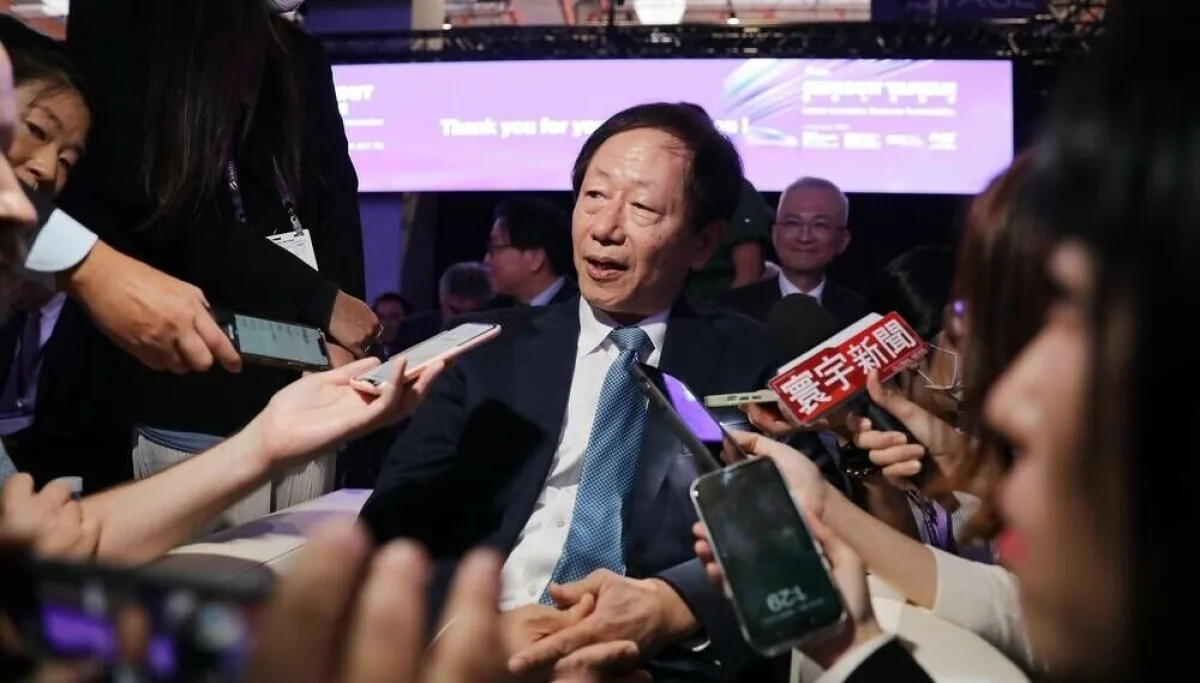
TSMC chair Mark Liu delivered the news at a recent briefing, and it's exactly what nobody in Silicon Valley wanted to hear. The foundry giant—the company that fabricates over 90% of the world's most advanced chips—says they're maxed out. Demand for AI-training silicon has exploded so fast that even TSMC's massive manufacturing capacity can't keep pace.
We're talking about the NVIDIA A100 and H100 GPUs, the AMD MI300 series, Google's custom TPUs, and whatever Apple's cooking for on-device inference. All of these chips? They roll through TSMC's fabs in Taiwan. And right now, there are more buyers than wafers.
The numbers tell the story. NVIDIA's H100—the current darling of the AI training world—reportedly sells for $25,000 to $40,000 per unit on the secondary market. Some desperate startups are paying even more. We've heard whispers of $50,000+ for guaranteed allocation. That's not a GPU; that's a down payment on a car.

And it's not just the big players feeling the squeeze. The AI startup ecosystem is getting stratified in real-time. If you've got deep pockets—think Character.ai with its recent funding, or Inflection before its Microsoft absorption—you can secure compute. Everyone else? Good luck training your models on V100s from 2017.
This shortage exposes the dirty secret of the AI boom: it's entirely dependent on physical infrastructure that takes years to build. You can't just spin up a new 3nm fabrication plant because your Series A deck promised GPT-4 performance. These facilities cost $20 billion+ and take 3-5 years to come online. TSMC's new Arizona fab? Delayed. Their Japan expansion? Still under construction. Intel's foundry revival? Don't make me laugh.
Meanwhile, the demand side is absolutely unhinged. Every enterprise suddenly needs an AI strategy. Every SaaS company is shoehorning LLMs into their product. Every consulting firm is selling "AI transformation" packages. The compute required to train a frontier model like GPT-4—estimated at around $100 million in GPU costs alone—was already astronomical. Now imagine thousands of companies all trying to build their own models simultaneously.
The ripple effects are everywhere. Microsoft, Google, and Amazon are hoarding GPUs for their cloud platforms, leaving smaller players fighting for scraps. Meta reportedly purchased 350,000 H100 GPUs for its AI push—that's billions of dollars tied up in silicon. Elon Musk's xAI bought thousands of GPUs for a supercomputer cluster in Twitter's old data center. Every allocation to one player means another startup goes without.
And here's the kicker: this shortage might actually be good for the industry in the long run. When compute is scarce, efficiency matters. We're already seeing a shift toward smaller, more capable models. Mistral's 7B parameter model punches way above its weight. Microsoft's Phi-1 proves you can do more with less. Apple's rumored on-device AI approach bypasses the cloud entirely. Necessity breeds innovation, or whatever your middle school teacher used to say.
But in the short term? It's going to be brutal. Expect more AI startups to fail because they literally can't get access to the compute they need. Expect cloud providers to raise prices—and justify it with "AI infrastructure investments." Expect the big tech incumbents to consolidate even more power, because they're the only ones who can afford to wait 18 months for supply to catch up.
For the rest of us—the consumers, the developers, the actual users of these AI products—the next year and a half means slower progress, higher prices, and more broken promises. That "democratized AI" future everyone keeps promising? It's on pause until TSMC can stamp out enough chips to go around.
So the next time someone tells you AI is going to change everything tomorrow, remind them that today's AI runs on physical silicon, and that silicon is made in a handful of factories on a small island off the coast of China. The future is here—it's just not evenly distributed. And by "not evenly distributed," I mean NVIDIA gets theirs first, and everyone else can wait in line until 2025.
Welcome to the AI chip drought. Bring snacks. It's going to be a long 18 months.