The Juicero Squeeze: When Silicon Valley Juiced Investors
Remember when a $700 juicer needed WiFi to squeeze a bag of pre-chopped kale? That was Juicero — the poster child of Silicon Valley's biggest broken promise. Launched in 2016 with $120 million in VC cash, Juicero promised a revolution in healthy living. Instead, it delivered a machine that could be outperformed by human hands, a subscription model that made no sense, and a spectacular flameout that should have been a warning to every hype-chaser.
The pitch was seductive: fresh, cold-pressed juice at the push of a button. No mess, no prep. Just slide in a proprietary pack of pre-cut produce, and the machine would apply 4 tons of pressure to extract every drop. The packs were RFID-tagged to ensure only Juicero's approved produce was used. It was the future of food tech.
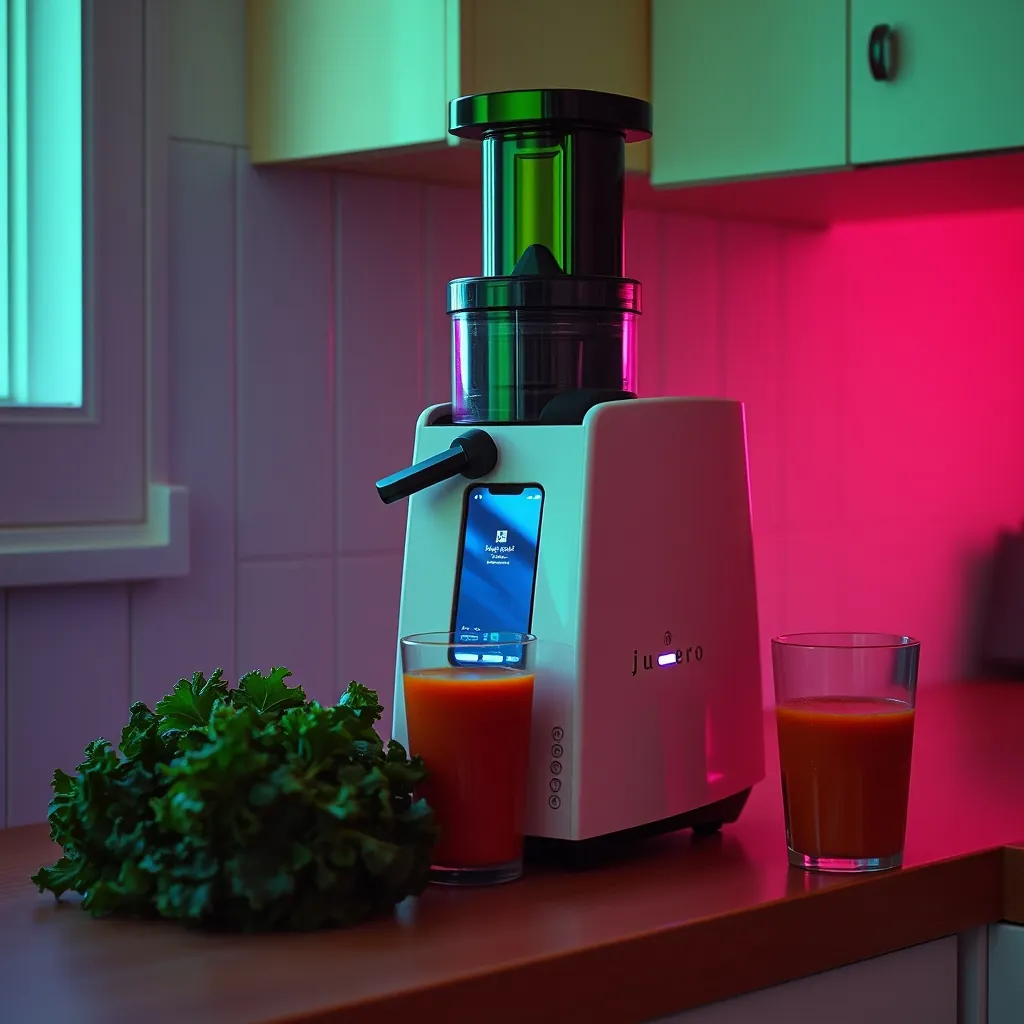
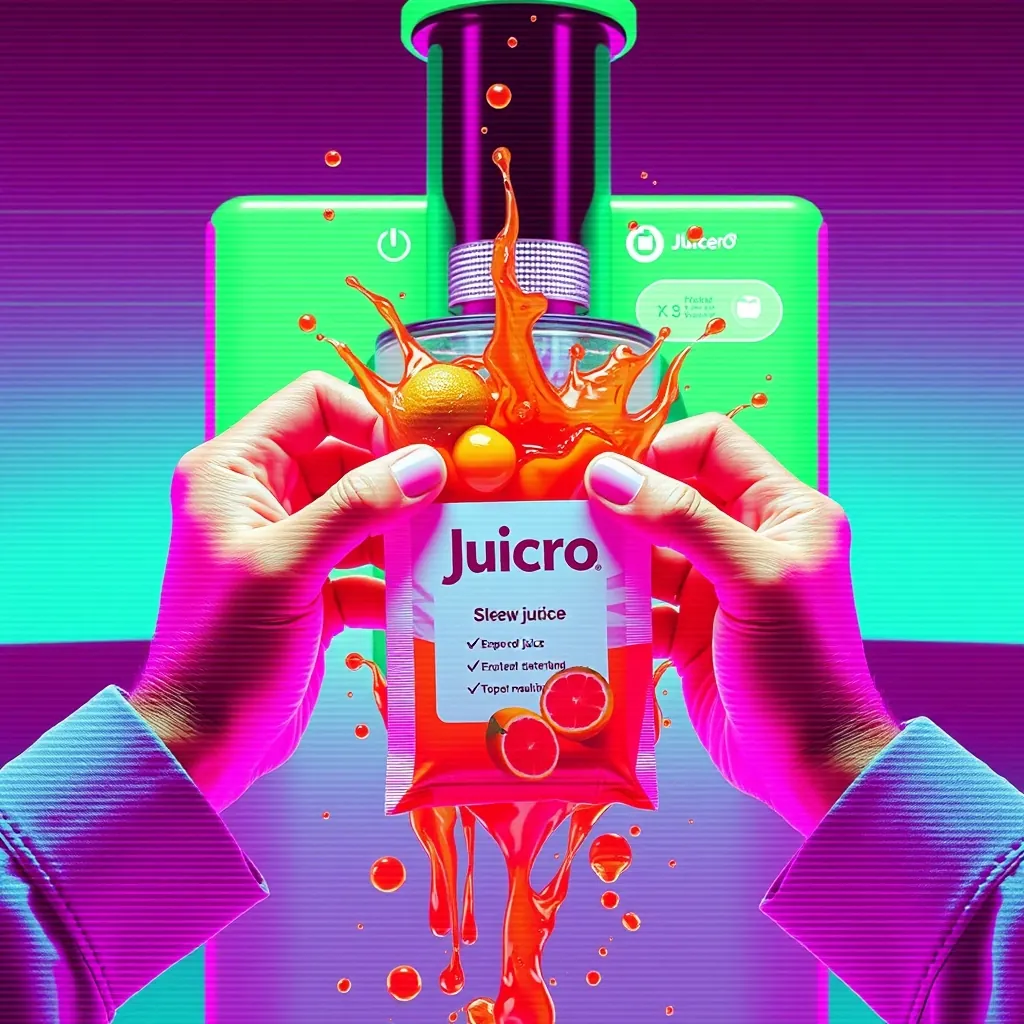
But the future had a short shelf life. In April 2017, Bloomberg reporters discovered that the packs could be squeezed by hand — with less effort than the machine used. The $700 device was essentially a $700 paperweight. The company's response? "The machine produces a consistent, high-quality product." Right. And you need a smartphone to turn on the lights.
Then came the price cuts. From $700 to $400, then to $200. Then the subscription model floundered. By September 2017, Juicero shut down. The lesson? You can't sell a luxury solution to a problem that doesn't exist. People can squeeze a bag of juice with their bare hands. They don't need a WiFi-connected robot to do it.
But the real story is the investors who bought in. Google Ventures, Kleiner Perkins, Campbell Soup Company — they threw money at a founder who promised to disrupt the humble juice. They ignored the obvious: cold-pressed juice is expensive, perishable, and niche. Add a $700 machine and a mandatory subscription, and you're not disrupting anything except your bank account.
Juicero's legacy lives on in every overfunded startup that promises to reinvent a basic human activity. It's the Theranos of kitchen appliances — a cautionary tale about the arrogance of tech bros who think they can improve on nature with an app and a patent. Next time someone pitches you a smart toaster that needs a monthly subscription, remember the $700 juice squeezer and walk away.