Tech CEOs Have Gone Full Psychosis Mode on AI
There's a techcrunch headline making the rounds that we all secretly knew was coming: "Tech CEOs are apparently suffering from AI psychosis." And honestly? The diagnosis is late. The patient was coding in tongues at the last earnings call.
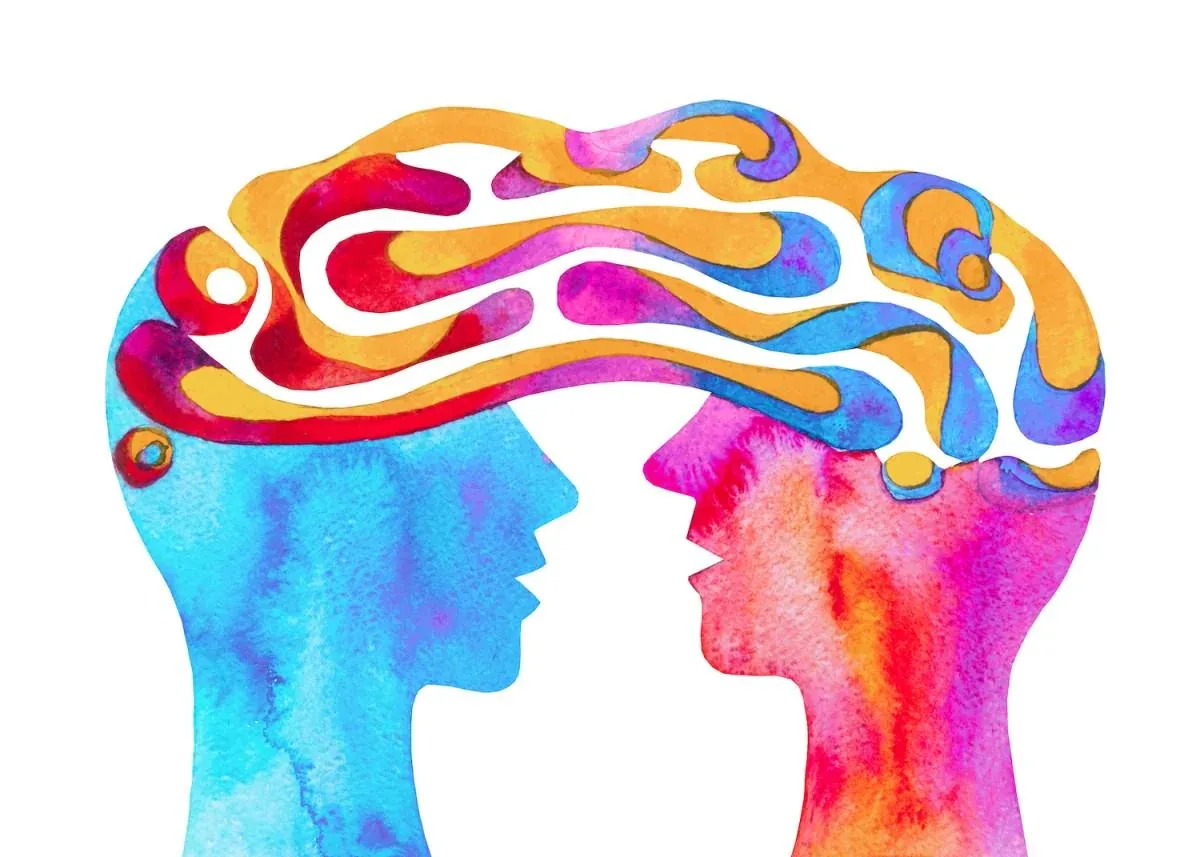
Let's define terms. AI psychosis isn't a clinical thing — it's what happens when people worth nine figures spend so long marinating in their own hype that they lose the ability to distinguish between a product roadmap and a religious vision. Symptoms include: claiming AGI is "months away" every quarter since 2023, firing your entire QA team because "the model will handle it," and casually suggesting 80% of jobs will vanish while pitching a $200/month chatbot subscription.
The evidence is everywhere now. Microsoft's own internal reports leaked in May 2026 confirmed what every skeptical engineer already whispered: using AI agents is frequently more expensive than paying human employees. The token economics don't work. Running GPT-4-class models at scale for enterprise workflows — the stuff CEOs swore would replace entire departments — costs 3-7x what a junior analyst makes. But sure, let's keep the narrative going.
Then there's the commencement speaker circuit, which has become a bizarre AI doomsday open mic. CEOs show up to universities, tell fresh graduates their degrees are worthless, and seem genuinely shocked when students boo. The Wall Street Journal documented the growing rebellion: plummeting poll numbers for AI companies, blocked data center constructions across multiple states, and Erin Brockovich — yes, that Erin Brockovich — launching a crowdsourced map of over 4,200 US data centers, asking communities to report environmental damage. When the lady who took down PG&E turns her attention to your server farms, maybe reconsider your cooling strategy.
The psychosis manifests in product decisions too. Remember when every app desperately shoved an AI chatbot into its interface regardless of whether users wanted it? We're now in phase two: AI agents that silently break things. A recent r/MachineLearning thread documented how AI-generated CUDA kernels were silently corrupting training and inference runs — not throwing errors, just quietly producing wrong results. The kind of bug that takes weeks to diagnose and costs millions in compute. This is the infrastructure these CEOs want to run hospitals on.
Apple co-founder Steve Wozniak had the line of the month at a graduation speech, telling students they "all have AI — actual intelligence." The crowd cheered. Not because it was clever (it was), but because it was a relief. Someone with tech credibility finally saying the quiet thing out loud: your human brain is still the most sophisticated inference engine in the room, and no amount of venture capital changes that.
Even the Pope weighed in. Pope Leo's AI encyclical warned about "opaque algorithms" controlled by a "few companies" bringing "new forms of dehumanisation." When the Vatican is doing better tech critique than most tech journalists, something has gone deeply wrong with the discourse.
The psychosis thrives in a specific environment: zero accountability. When your company burns $10 billion on training runs, you can't exactly tell shareholders "oops, the model still hallucinates basic facts." So you pivot. You redefine success. You move the goalposts from "solves problems" to "demonstrates capabilities" to "shows promising trends in evaluation benchmarks" — benchmarks that, as the METR time horizons graph controversy revealed, sometimes contain "numerous severe errors." The scoreboard is broken and nobody wants to admit it.
Sheryl Sandberg told Gen Z the 10-year career plan is dead because of AI. Convenient advice from someone who already cashed out. The subtext: the ladder's been pulled up, kids. Don't plan ahead because we're building a future where entry-level jobs are gutted and you'll compete with a model that costs $0.002 per query. But also, please buy our cloud services to build on our platform. The cognitive dissonance is structural.
Here's what the psychosis obscures: AI is genuinely useful for specific, bounded tasks. Code completion. Document summarization. Image generation for prototyping. The problem is that "useful tool" doesn't justify trillion-dollar market caps. So the tool must become a revolution. The revolution must become inevitable. And anyone who questions the timeline gets labeled a skeptic who "doesn't understand exponential curves."
We've seen this movie before. Crypto. Web3. The metaverse. Each cycle: grand promises, breathless CEOs, mocked skeptics, quiet retreat. AI is different only in that the underlying tech actually does something — which makes the hype more dangerous, not less. Real capability provides cover for unreal claims.
The treatment for AI psychosis is straightforward but unpopular: ship products that work, charge prices that make sense, and stop telling people the world ends in 18 months if they don't adopt your API. Simple. Won't happen. The psychosis is the business model.
Meanwhile, Dutch citizens just blocked a US tech company from buying the app they use for everything. Americans are booing AI-pushing speakers at graduations. The rebellion is real. The question is whether it arrives before or after the next $100 billion training run.
Place your bets. The house is psychotic.